






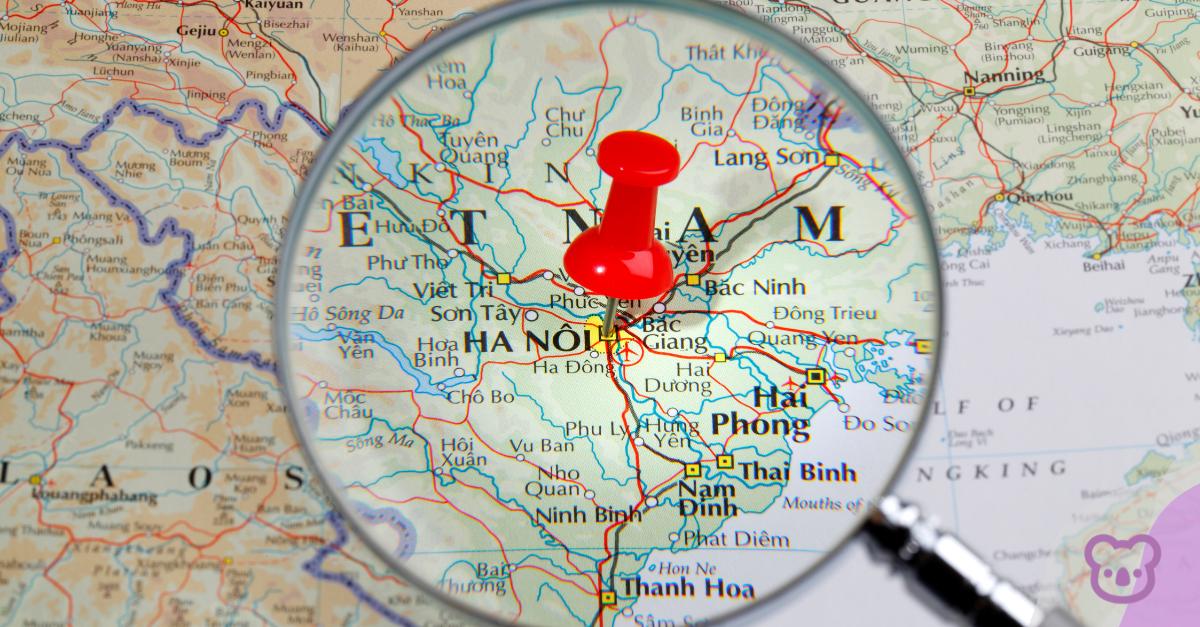
Vietnam may not command the headlines like India or China in international education circles, but new data suggests it is rapidly becoming one of the most important—and sustainable—contributors to the global student market. According to the international student recruitment platform, ApplyBoard, Vietnamese students are increasingly shaping student mobility trends across the four major destination countries: the United States, Canada, Australia, and the United Kingdom.
While much of the focus in international education often falls on larger markets, Vietnam’s steady rise tells a different story—one of long-term resilience, family-driven education pathways, and economic aspiration. ApplyBoard’s latest insights report highlights how Vietnamese student mobility is not only growing but maturing, offering universities and colleges a more stable source of enrolments amid global uncertainty.
Sustained Growth in a Changing Landscape
According to the report, approximately 40,000 Vietnamese students secured study visas to the “Big Four” destinations in 2024 alone—a nearly 20% increase since 2019. The Vietnamese student market has been resilient, especially in 2024 and 2025 as other international student markets have experienced volatility due to geopolitical tensions, policy shifts, and post-pandemic economic pressures.
Today, more than 150,000 Vietnamese students are studying abroad worldwide, a number expected to rise steadily over the next five years. ApplyBoard attributes this ongoing expansion to several key factors: a strong academic culture within Vietnam, rapid growth of the middle class, and increasing global family and community ties that support international study.
Vietnam’s economic development story is well known, with consistent GDP growth, urbanisation, and rising household incomes. Education has been a core pillar of this transformation, with Vietnamese families often viewing international study as both an investment in their children’s future and a pathway to global citizenship.
Breaking Down the Big Four
Across the four most popular study destinations, Vietnam’s presence is growing in both numbers and strategic importance.
United States: Record F-1 Visa Numbers
In the United States, Vietnamese student numbers are hitting new heights. In fiscal year 2024, the US government issued 18,500 F-1 student visas to Vietnamese applicants—a 27% increase over 2023 and the highest annual total on record. Vietnam now ranks as the 6th largest source of international students in the US and 4th when looking solely at F-1 visa volume.
One of the standout statistics from ApplyBoard’s report is that 63% of Vietnamese students in the US are enrolled in undergraduate programs—the highest proportion among the top 10 source countries. This suggests that Vietnamese families are investing earlier in their children’s global education journeys, often starting straight after high school.
Australia: Vietnam Now a Top Three Market
Closer to home, Australia continues to be a destination of choice. In 2023/24, Vietnam became Australia’s third-largest contributor to new international student enrolments, following China and India. Over 35,000 Vietnamese students were enrolled in higher education and vocational education and training (VET) sectors across the country in 2024.
However, Australia’s recent policy changes to tighten VET enrolments and cap/allocate student visas may see new Vietnamese student visa grants fall to around 7,000 in FY2025. Rather than a sign of declining interest, this could mark a return to more sustainable, pre-pandemic growth levels, as the Australian government focuses on balancing education exports with domestic capacity.
Canada: Steady Pipeline, Family Ties
Canada has also seen a steady rise in Vietnamese student enrolments. Study permit approvals increased by 16% from 2022 to 2024, with another 14% growth forecast for 2025. Notably, nearly half of Vietnamese study permits issued in recent years have been for primary and secondary education. This highlights the strength of family-driven education pathways, where Vietnamese parents relocate or send their children to Canada from an early age, establishing deep, long-term ties to Canadian communities.
This approach reflects a broader trend in Vietnamese outbound mobility: education is not just an individual journey, but often a family investment spanning years and generations.
United Kingdom: Stability Amidst Opportunity
The United Kingdom, meanwhile, has maintained stable Vietnamese student numbers, issuing between 2,000 and 3,500 student visas annually since 2008. ApplyBoard’s projections suggest around 2,100 Vietnamese students will secure study visas in 2025, keeping the UK on par with historical trends.
However, with the UK’s competitors tightening visa rules and reducing post-study work rights, the report suggests that the UK is in a timely position to attract more Vietnamese students. With clear pathways to graduate work opportunities and strong links through existing Vietnamese communities, UK institutions could see increased demand in the coming years if they actively engage the market.
Vietnam’s Maturing Student Market
Beyond the raw numbers, ApplyBoard’s report paints a picture of Vietnam as a maturing student market. Outbound student mobility is no longer confined to the traditional urban hubs of Ho Chi Minh City and Hanoi. More and more students from Vietnam’s secondary cities and regional areas are now seeking international education opportunities.
This broader geographic spread signals that international education is becoming mainstream for Vietnam’s rising middle class. It is no longer the preserve of the elite but part of the educational aspirations of thousands of families across the country. Schools, universities, and agencies catering to Vietnamese students are increasingly connecting with students outside the major urban centres, reflecting this shift.
What’s Driving the Demand?
Several factors underpin Vietnam’s steady rise in international education.
- Academic Culture: Education is highly valued in Vietnamese society, and families often make significant financial sacrifices to ensure their children have access to the best learning opportunities, whether at home or abroad.
- Economic Growth: Vietnam’s expanding middle class has more disposable income to invest in overseas study. As the country’s economy continues to modernise, more families see international qualifications as the key to career success in a global economy.
- Family and Community Ties: Vietnamese diaspora communities in the US, Canada, Australia, and the UK provide strong support networks for new students. In many cases, older siblings, cousins, or family friends have paved the way, making the transition easier for subsequent generations.
- Long-Term Thinking: Many Vietnamese families view international education as the first step in a long-term plan that includes work opportunities abroad, permanent residency, and, eventually, family reunification.
Vietnam: A Stable and Strategic Market
In an increasingly uncertain global environment, Vietnam’s steady growth stands out. While some markets experience sharp peaks and troughs driven by policy changes or economic shocks, Vietnam’s student mobility is characterised by resilience and consistency. This makes it an attractive market for universities and colleges seeking to diversify their international student populations and reduce reliance on single-source markets.
ApplyBoard’s report concludes that Vietnam is well-positioned to become one of the defining contributors to global international education over the coming decade. As other markets face policy headwinds and economic challenges, Vietnam’s strong fundamentals—economic momentum, cultural commitment to education, and demographic growth—provide a solid foundation for continued outbound student mobility.
Looking Ahead
For institutions across the US, Canada, Australia, and the UK, the message is clear: engaging meaningfully with Vietnam’s student market today will yield long-term dividends. Institutions that invest in tailored recruitment strategies, build partnerships with Vietnamese schools, and offer clear post-graduation pathways will be best positioned to capture the next wave of Vietnamese student interest.
In the ever-shifting global education landscape, Vietnam’s rise may be quiet, but it is unmistakably steady—and in many ways, that makes it one of the most reliable growth stories of the decade ahead.
ApplyBoard’s full report on Vietnamese international student trends is available at the ApplyBoard Insights Hub.