









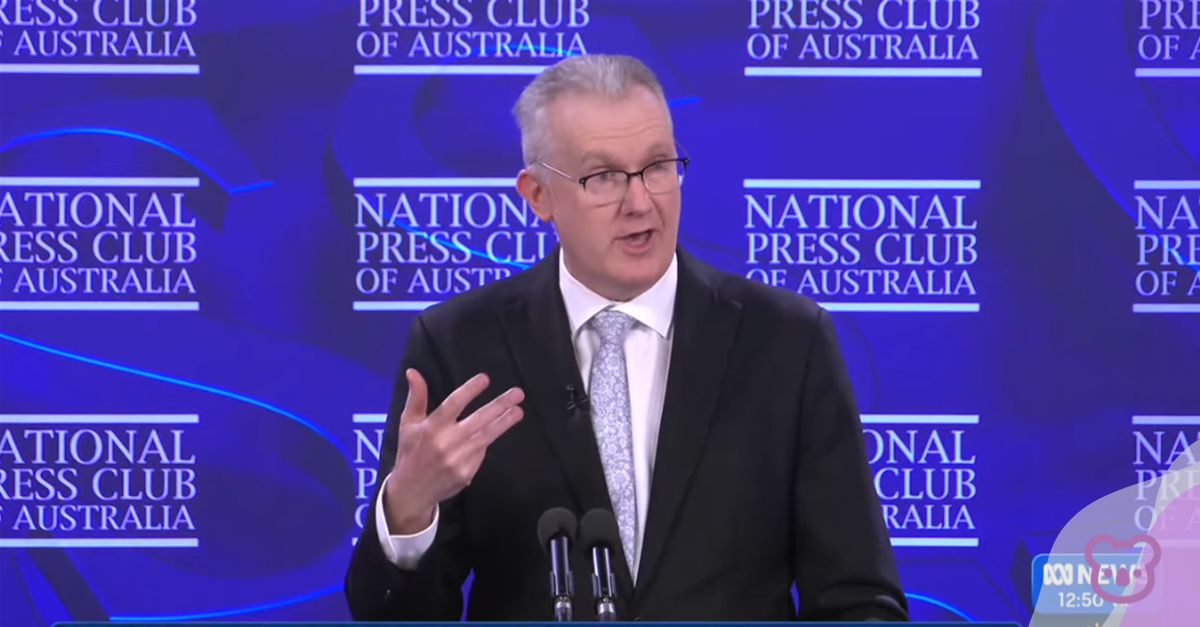
Federal Immigration Minister Tony Burke has unveiled a package of migration changes designed to reduce net overseas migration while giving the government greater control over who arrives, who stays and who leaves Australia.
Addressing the National Press Club today, Burke said the government needed to move away from a largely demand-driven migration system and give greater weight to housing, infrastructure and Australia’s economic needs.
Among the most significant changes for international education will be restrictions on family members accompanying international students and graduate visa holders. New students and graduates will no longer automatically be able to bring family members to Australia, although exceptions will apply to Pacific and ASEAN nationals and students undertaking certain courses, including PhDs. Families already in Australia will not be separated under the change.
The government will also tighten the rules around student visa progression. Students will continue to be able to extend visas where there is a legitimate reason and transfer between courses, but Burke said students will only be able to progress by moving up the qualification scale. The change is aimed at stopping students repeatedly moving between providers and qualifications where the underlying objective is migration rather than education.
Burke said the government wanted Australia’s international education system to deliver an education outcome rather than become a pathway through successive visas. He also said student visa planning levels had not been changed, with the number of applications the government expects to process remaining unchanged.
However, he confirmed that scrutiny of student visa applicants’ financial capacity has already increased, particularly for applicants from countries where refusal rates have risen. The government is seeking to ensure students can genuinely afford their studies rather than relying on employment in Australia to finance their course and achieve a migration outcome.
The minister also announced changes to the skilled migration points test, with construction and housing related skills to receive an uplift equivalent to the points currently associated with university qualifications. Processing priorities will also be increased for construction, agriculture, fisheries, resources and teaching.
Working Holiday Maker arrangements will change substantially. Second and third year visas will move to a ballot, with 45,000 places available for the second year and just 5,000 for the third. Regional work requirements will remain.
Burke also announced 100 additional compliance officers and 250 additional detention beds as the government returns to a tougher approach to visa overstayers.
Other proposed reforms, including an expression of interest system for student visas and changes to the treatment of non-genuine protection claims, remain dependent on legislation.
Burke said the measures were intended to bring migration down while protecting the workers Australia needs, arguing that international education remains an important export and supports employment well beyond universities and education providers.
For international education, the message is clear. The government is not proposing to reduce its student planning levels, but it is tightening the rules around who can accompany students, how students move through the education system and whether their primary purpose for coming to Australia is genuinely study.
Phil Honeywood, CEO of the International Education Association (IEAA) said on the address, “This latest policy announcement provides a mixed bag for our sector.
“No changes to post study work right 485 visa eligibility. While the Government baulked at requiring transferring students to go offshore and apply for a new visa, the concept of a new transfer visa remains to be tested.
“Adopting the UK policy of not permitting accompanying family members (except for PHDs and sponsored students) will clearly turn away students from some key source markets.
“We can only hope that a stated determination to focus on genuine students translates into an enhanced level of visa approvals now”.
Further analysis from the Koala and sector responses will be forthcoming.