









Artificial intelligence is moving beyond the classroom and workplace and into the most personal corners of Gen Z life, with new research revealing one in four young Australians now use AI tools often to help make personal decisions.
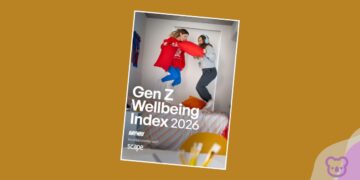
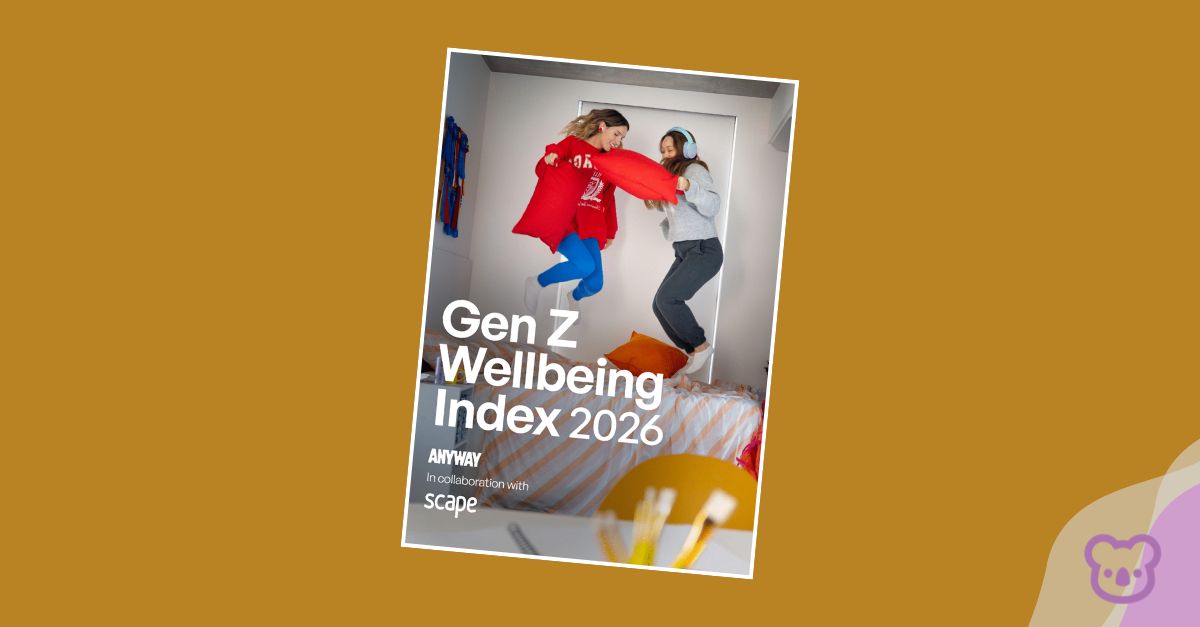
National research conducted as part of the Gen Z Wellbeing Index, a year-on-year demographic research project of more than 2,000 Gen Z Australians conducted by Scape by The Living Company and digital youth platform Anyway, found 25% use AI often when making personal decisions, including 8% who do so very often and 18% quite often.
Anouk Darling, CEO, BTR and Student Living at Scape by The Living Company, said the most significant shift was not simply that young people are using AI, but the role they are beginning to give it.
“AI is rapidly becoming part of the way Gen Z navigates everyday life. What’s particularly interesting is that we’re seeing it move beyond being simply a source of information or productivity tool and into this life coach, career counsellor, trusted advisor, almost mentor role.
“And for a generation growing up with instant access to answers, AI can feel like an always-available sounding board. But knowing how to use that access thoughtfully – and recognising when a human perspective matters more – will be an increasingly important part of navigating an AI-enabled world.”
Increasingly, AI is being invited into decisions that are personal, subjective and traditionally shaped by conversations with friends, family or trusted people.
Yet that growing reliance comes with an underlying tension. More than one in three Gen Z Australians (33%) are extremely or very concerned about AI affecting future job opportunities, including 11% who are extremely concerned and 22% who are very concerned.
At the same time, Gen Z is under significant pressure to keep achieving. Two-thirds (69%) say they feel guilty when resting or taking time off. Among those who experience guilt, 60% say they feel they should be doing something productive, while 58% worry they are wasting time.
For a generation accustomed to having an answer available instantly, AI may increasingly become part of how young Australians process not only what they need to know, but what they should do – from relationships and money to study, work, wellbeing and everyday choices.
Laura Scott, MD of Anyway, said Gen Z is coming of age at a time of enormous change, with AI adding another layer to the pressure young people already feel.
“Gen Z is coming of age at a time of enormous change, and AI is adding another layer to the pressure young people already feel to make the right decisions, stay productive and prepare for an uncertain future,” said Ms Scott.
“What’s important is that technology doesn’t come at the expense of the human connection and relationships that young people need to feel supported. AI can provide information and reassurance, but it can’t replace the value of having trusted people around you who know you, understand your circumstances and can help you navigate the difficult stuff,” she added.
And while AI is becoming increasingly embedded in everyday life, the research shows human connection remains highly valued. When asked what would be hardest to give up for 24 hours compared with their phone, 30% nationally chose seeing their friends in person, while 48% chose their bed and 31% chose music.
The result is a generation that is not simply replacing human connection with technology but increasingly using technology alongside it – turning to AI for answers while continuing to place real-world relationships among the things they value most.
Overall, the research paints a picture of an emerging AI paradox: Gen Z is embracing AI as a source of help and guidance while simultaneously worrying about its impact on their future and feeling pressure to keep achieving. Almost half (49%) say they feel a great deal or a lot of pressure to achieve career success.
But the findings also highlight why support for young people needs to extend beyond technology – and beyond Gen Z’s older cohort.
Scape’s commitment to youth wellbeing extends across the full youth journey, not just its 18+ resident population. In fact, through its dedicated Next Gen program, under-18 residents receive additional care, structure and peace of mind through personalised arrivals, dedicated coordinators, tailored events, curfew support, welfare checks, and safety and wellbeing support.
Broader wellbeing initiatives include Scape’s Supportive Conversations partnership with Headspace, launched in November 2024, Mental Health First Aid, and the Peer Support Social Work program launched in 2026, alongside programs supporting nutrition and physical and emotional wellbeing.
The 2026 findings highlight why this whole-of-youth approach matters. Under-18s aren’t simply a younger version of the 18+ cohort: 88% report a sense of inclusion and belonging (v 79%) and 48% rate their social health as excellent or very good (v 29%) and are less likely to be struggling to make friends (22% (v 34%).
Yet they are already navigating many of the same pressures, with 53% feeling a lot or a great deal of career pressure and 48% saying they have used AI instead of speaking to another person about a problem.
Together, the findings reinforce the importance of creating environments where young people can build connection, confidence and independence while having the right support around them.
As AI becomes an increasingly accessible source of advice, information and reassurance, the question for this generation may be less about whether they will use it – and more about how much of their lives they will allow it to influence.
The latest findings reinforce an increasingly important message: Gen Z may not need more pressure, more productivity hacks or more answers. It may simply need more permission to stop.
To read the full 2026 Gen Z Wellbeing Index, please visit: https://www.scape.com.au/genzwellbeingindex/












