







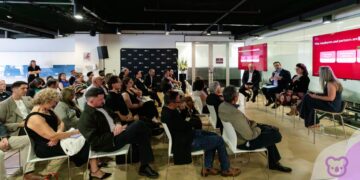




Over many years working in our sector, I have often thought how good it would be if I found time to hitch a caravan to my vehicle and travel through regional Australia explaining the benefits of international students to regional communities. The concept has always included a Town Hall-style meeting in each community, which would have several international student graduates on stage who are living within the township and working in key skills-in-demand areas. Ideally, I would include at least one Australian New Colombo Plan awardee who had grown up in that community and could talk about what they had gained from their learning abroad experience. This would be my way of countering the One Nation orange fog!
You can, therefore, imagine how pleased I was to recently receive an invitation from Regional Cities Victoria (RCV) to travel to Warrnambool and provide a Keynote Address to the Mayors, CEOs and senior staff of the ten largest regional cities in my home state. This was my opportunity to finally “walk the talk”, albeit without requiring the caravan. So it was last week that I caught the 3.5-hour train ride down through South-West Victoria and joined the Regional Cities representatives for dinner the evening before my Keynote Address.
I probably should not have been surprised by some of the questions asked of me, including:
- Don’t they all come and do the cheapest course possible to get migration
- Many promise they will stay in our community but just come to get migration points and then move back to the big cities
- Why has your industry not embarked upon a public relations campaign (like the recent mining industry ads on tv) to highlight the benefits of international students?
However, the overwhelming response was that the international students they had in their regional communities had an incredible work ethic, were willing to “knuckle down” and do the jobs that young Australians often refuse to and were happy to join local sport and other activity groups. One of the Mayors also pointed to recent redundancies announced by the regional university campus in his community as a direct result of the university losing revenue from the loss of its overseas students. In direct contrast to Pauline Hanson’s anti-migrant narrative, these Mayors and CEOs wanted to know how they could get more international students to join their community!
After leaving the Mayors and CEOs with a bunch of IEAA data and print material (which we handed out at our recent Parliamentary Friends event in Canberra) I got back on the train home feeling that this had definitely been a worthwhile journey. But then it struck me that if any regional community residents “get what we do in our sector”, then of course it’s likely to be the local Mayor and CEO. They are the ones in their community who see the unfilled jobs at their local hospital, aged care and child care facilities. They are the ones who hear the loudest noises from their local pubs and hospitality venues about the difficulties of recruiting and keeping staff.
So my conclusions from my journey into the heart of Pauline’s voter land are twofold:
- People in regional/rural communities are open to listening to the benefits of our international education sector but they just need the forums and well-thought-through advertising for our message to be understood, and
- There is a great deal of work yet to be done by us in this space including advocating for policies to incentivise bright young overseas students to study and gain employment in these communities
If anyone is interested in hitching up their caravan and “spreading the word further afield” then feel free to contact me – I will be the first to encourage you!
Phil Honeywood is the CEO of the International Education Association of Australia (IEAA).











