










Australia’s student accommodation sector is about to get a major climate-era glow-up, with the Albanese Government and the Clean Energy Finance Corporation (CEFC) backing the country’s largest apartment-electrification project — and it’s happening in student housing.
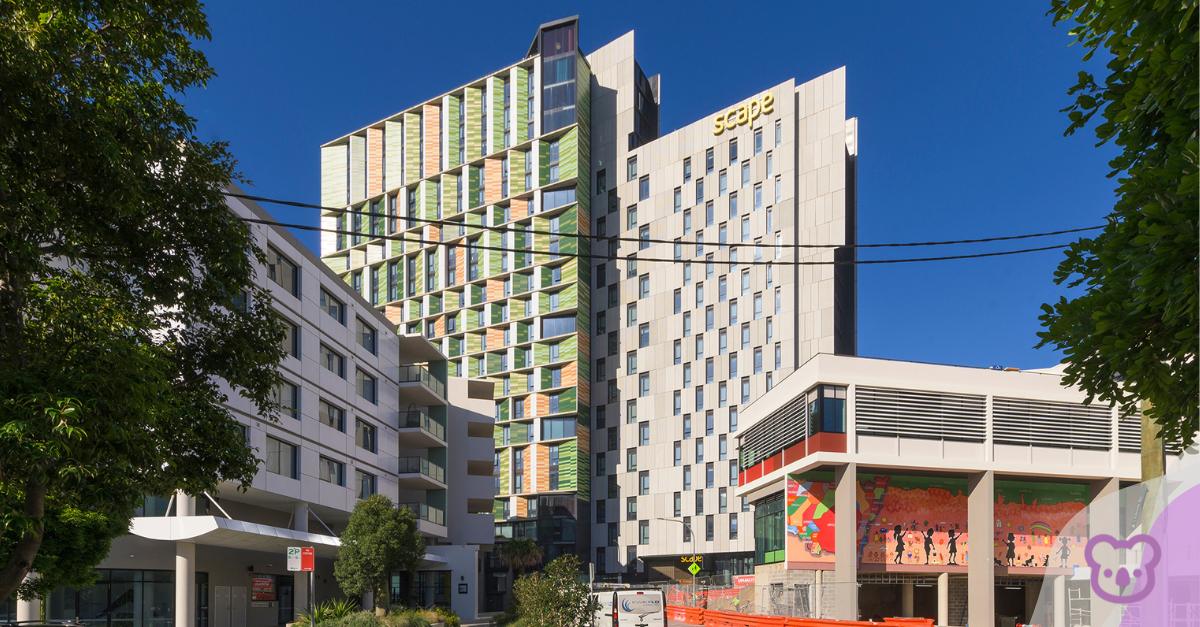
Under a $50 million CEFC investment into The Living Company’s (TLCo.) Scape Australia Core Fund, up to 20 major student accommodation buildings across Sydney, Melbourne, Brisbane and Adelaide will be fully electrified, with gas infrastructure removed and new energy-efficiency technologies embedded. The upgrades will improve comfort and slash emissions for more than 17,000 students.
This is the first Commonwealth-funded large-scale electrification project focused on residential apartments — a milestone moment not just for student housing, but for the future of urban living in Australia.
Assistant Minister for Climate Change and Energy Josh Wilson said the initiative is exactly the kind of practical climate action Australians expect.
“Electrifying residential accommodation is essential to reducing emissions and future-proofing Australian homes; it also makes them cheaper to run and more comfortable to live in,” Wilson said.
“It’s great to get behind a project that will benefit today’s students as they complete their education while living in these newly electrified residential buildings.”
The upgrades support the Government’s Built Environment Sector Plan and align with the national Net Zero Plan. Alongside electrification, Scape buildings will receive energy-efficiency improvements including advanced metering, insulation upgrades and a pilot program to test load-shifting technologies — enabling the buildings to behave like “grid-interactive homes” that use power when renewable energy is most abundant.
In a separate but connected milestone, the CEFC has also become the first Australian institutional investor to join TLCo.’s $6 billion Scape Australia Core Fund, marking a meaningful shift toward domestic capital supporting the living sector.
The fund — now backed by more than $300 million in new equity in just six months — represents Australia’s largest institutionally owned residential portfolio, with over 17,300 beds and a pathway to grow beyond $10 billion within five years.
TLCo. Co-CEO Stephen Gaitanos said the CEFC partnership signals strong confidence in Australia’s living-sector platforms. “This marks the beginning of a broader shift towards domestic capital participation… and reflects our alignment with institutions who share our values around sustainability, resilience and community impact.”
And for Scape, the message is clear: electrification is both climate responsibility and competitive edge. “Electrifying our national portfolio at scale is not just the right thing to do, it’s a strategic commitment to the future our residents deserve, and the planet urgently needs,” said TLCo. Founder & Joint CEO Craig Carracher.
The investment follows TLCo.’s extremely strong 2024 GRESB results, where its development funds were ranked #1 in the world for Residential Developments with near-perfect scores, and Scape’s Core Program scored 90/100, placing second globally in its peer group.
TLCo.’s portfolio is on track to reach Net Zero Carbon by 2030, supported by electrification, green energy procurement and sustainability-driven design across new developments.
CEFC Property Executive Director Michael Di Russo said electrifying existing residential buildings is essential for Australia’s climate goals. “This is the first large-scale residential electrification project that the CEFC has invested in, and the largest residential apartment electrification project we are aware of.”
The upgrades will deliver:
- More comfortable, modern, all-electric student apartments
- Lower emissions and reduced energy costs
- Stronger building performance through smarter energy use
- Better-designed accommodation built for a net zero future
At a time when the student housing sector is booming and students are demanding greener, more affordable living, this national electrification push is set to become a global benchmark.
Australia’s green bank, its largest student accommodation provider, and the federal government have teamed up and the future of student living just got a whole lot cleaner.