








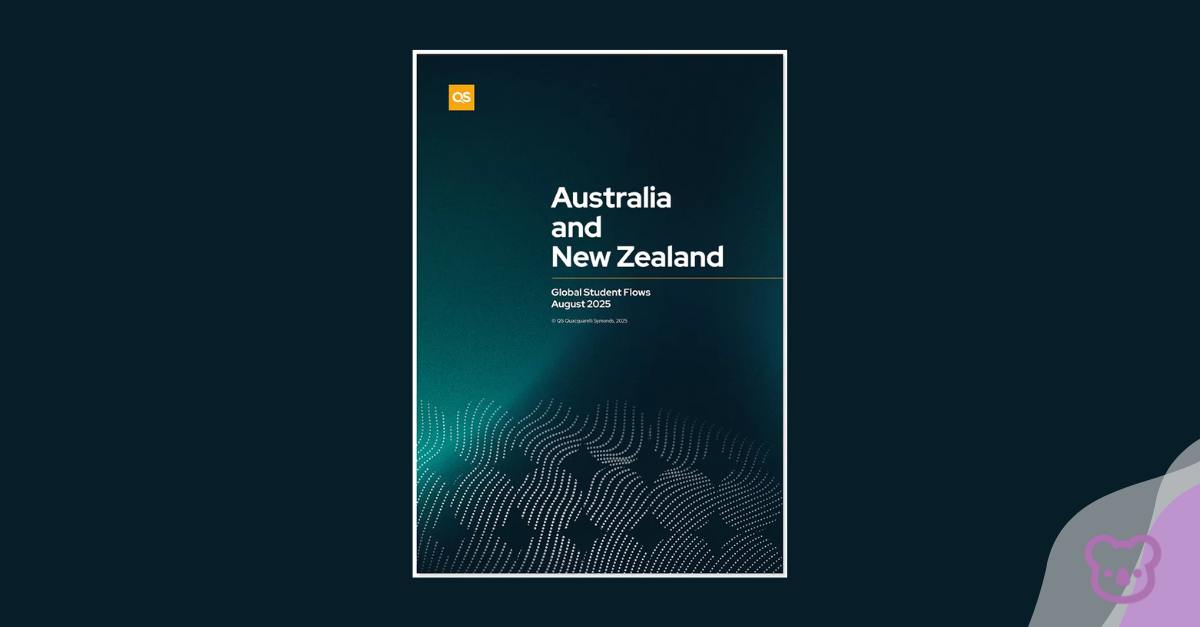
Australia’s international education sector faces a decade of stagnation unless urgent reforms are made to visa operations, graduate employability, and institutional reputation, according to a new Global Student Flows | Australia and New Zealand report.
The analysis forecasts that international student enrolments will rise by just 2% annually through to 2030—well behind global competitors. By the end of the decade, Australia is projected to host around 770,000 international students across higher education, English language, and non-award programs (excluding vocational training).
Jessica Turner, CEO of QS Quacquarelli Symonds, warned that Australia’s policy settings could further depress growth:
“Australia will continue to be a key player in the global education landscape, but with the world’s most expensive student visa fee and a tougher allocation system, institutions cannot afford to rest on their laurels.”
The report highlights several risks:
- Declining reputation: Australian universities have fallen an average of 238 places in global employer reputation rankings over the past decade.
- Employability gaps: Graduate skills are seen as misaligned with labour market needs, particularly compared to peers in the US, UK, and Canada.
- Policy headwinds: A soft cap on offshore applications, stricter English requirements, and the world’s highest visa fees risk deterring students.
- Demographic shifts: Economic challenges and ageing populations in China and India—the two largest source markets—may limit future growth.
Despite these challenges, opportunities remain. Growing demand from Indonesia and Vietnam, along with deepening education partnerships across Southeast Asia, could help offset losses. But experts caution that unless Australian universities adapt to deliver future-focused skills and rebuild their reputations, the country risks ceding its competitive edge.
The Koala highly recommends engaging with this report. It can be downloaded here.