









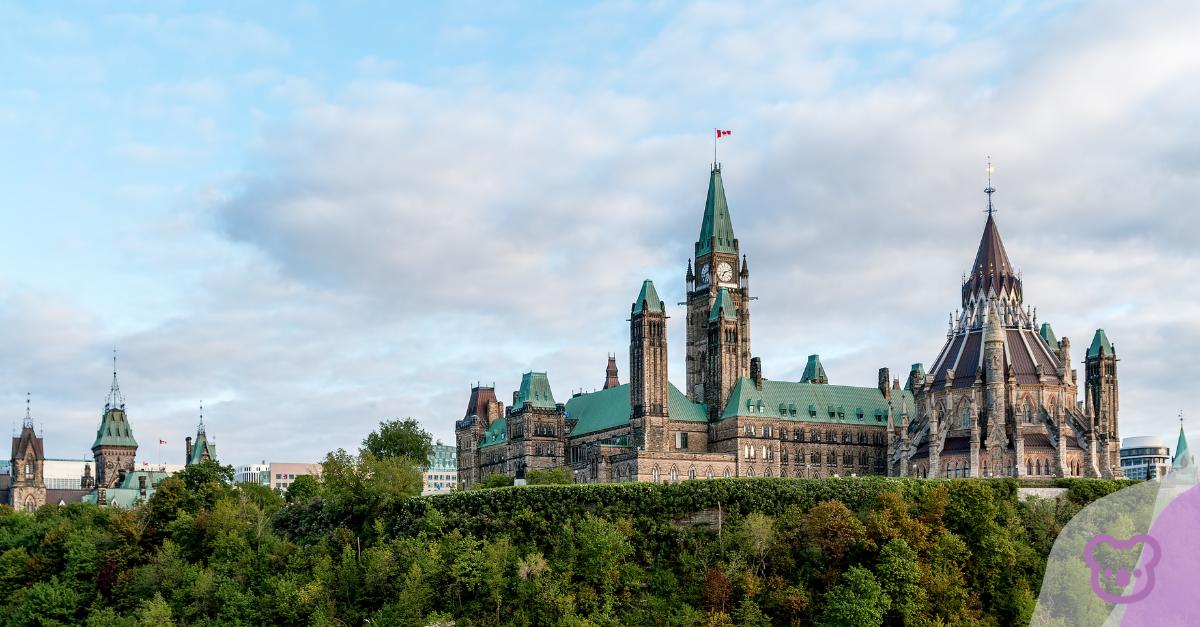
(Ottawa, Canada) Minister of Immigration, Refugees and Citizenship Canada (IRCC) Marc Miller announced a major change to Canada’s International Study Program (ISP) and had strong words for provincial governments and learning institutions themselves.
Minister Miller announced as of January 01, 2024, Canada would be more than doubling the funds necessary for living requirements for students planning on studying in Canada. The previous requirement for single applicants had been $10,000 CAD ($11,100 AUD) to support the first year of studies. Today’s announcement moved that requirement to $20,635 CAD ($23,000 AUD). The new figure will change yearly according to a proportion of a federal measurement related to inflation. The Minister concluded that the new amount brought Canada in line with competitor country requirements. It had not been changed in a decade.
Industry voices had long expressed concerns an increase was necessary, especially considering 40-year high inflation rates and rising fees for student accommodation due to acute shortages.
There is speculation that Ottawa may also be looking for a way to cut student numbers and the number of schools actively recruiting them due to housing shortages and large numbers of students going to non-credible learning institutions.
“It would be a mistake to blame international students for the housing crises. But it would also be a mistake to invite them to Canada with no support, including how to put a roof over their heads. That’s why we expect learning institutions to only accept the number of students that they are able to provide for, able to house or assist in finding off-campus housing.” Minister Miller emphasized.
When the Minister was asked about the potential impact on inbound student numbers he insisted, “For now, I am not worried about the absolute number. What I am worried about are the students and to make sure they have the proper student experience and that they are indeed studying”.
The Minister’s frustration with ongoing stakeholder meetings with the provinces and Designated learning Institutions (DLI’s) seemed apparent. He again singled out Ontario (Canada’s primary destination for international students) as a non-cooperative partner, highlighting Ontario had failed to act on recommendations issued by it’s Auditor General in 2021.
“Enough is enough. If provinces and territories cannot do this, we will do it for them and they will not like the bluntness of the instruments that we use.” Miller went on to insist the Federal government were prepared to use blunt tools, including eliminating visas for certain non-credible institutions altogether.
“There is (also) a responsibility on behalf of the provinces that designate the learning institutions in question to make sure those are actually the institutions that are worthy of getting visas from the government of Canada.” Miller insisted, “The main tool the provinces have at their disposal is the designation of learning institutions, which in some cases need to be shut down.” The Minister likened some institutions to “the diploma equivalents of puppy mills that are just churning out diplomas and this is not a legitimate student experience.”
IRCC has already announced their intention to create a “Recognized Institution Framework” which separates Canada’s Designated Learning Institutions (DLIs) into two tiers based on their ability to produce positive experiences and outcomes. The Recognized institution framework is scheduled to roll out in September 2024. “We want schools to have their acts together by Sept 2024.”
The Minister also made minor adjustments to student work authorization, extending a temporary allowance to work more than 20 hours a week. He reported more deliberations were required, but the 20-hour work week would likely permanently increase to 30 hours, as data showed 80% of students working in Canada were not respecting the 20-hour limit anyway. The Minister also announced the end of allowing online classes to be counted towards Post Graduate Work Permit eligibility. This move is widely seen as a measure to ensure students are attending classes regularly and to address program quality and student volume concerns at some institutions.
Canada’s third rendition of its International Education plan is due to be released in 2024.