







As we mark International Week this year, I find myself reflecting on my three decades of work in international education, a journey that has bridged cultures, continents, and crises. The world looks different today than it did when I began. The internet was in its infancy, social media didn’t exist, and globalization was still a hopeful idea. Today, we navigate a complex web of interconnected challenges—wars in Gaza and Ukraine, the relentless advance of climate change, and an alarming rise in political polarization. Yet, it is precisely this complexity that underscores the critical importance of International Week.
The World on Fire
The war in Gaza and the protracted conflict in Ukraine remind us of the fragility of peace. These crises are not isolated; they ripple across borders, shaping the lives of people far beyond the epicenters of violence. Refugee flows, economic disruptions, and cultural tensions reach every corner of the globe. The UNHCR estimates that by June 2024, there were 122.6 million forcibly displaced people globally—a staggering 5% increase over 2023 and the 12th consecutive year this number has risen. Behind each statistic is a story of families torn apart, children uprooted, and communities left to grapple with the consequences of instability and violence.
Climate change compounds these challenges in profound ways. Rising temperatures, unpredictable weather patterns, and increasing natural disasters are not just environmental issues—they are human crises. Climate-induced resource scarcity is a growing driver of conflict, as nations and communities compete over dwindling supplies of water, arable land, and energy. Coastal cities and low-lying nations face existential threats from rising sea levels, while extreme weather events displace millions annually. The World Bank predicts that by 2050, climate change could force more than 216 million people to migrate within their own countries, creating new pressures on already strained resources and systems.
These impacts are not distributed evenly. The world’s most vulnerable populations—often in the Global South—bear the brunt of climate change’s devastation, despite contributing the least to global emissions. This inequity exacerbates existing disparities and fuels a sense of injustice that further destabilizes regions.
Political polarization magnifies these crises, creating barriers to meaningful action. In many countries, ideological divides make it nearly impossible to build the consensus needed to address global challenges. Climate change, for instance, has become a politically charged issue rather than a universally acknowledged threat. Policies aimed at mitigating its effects are often undermined by partisan gridlock, short-term thinking, and a lack of international cooperation.
A Time for Reflection
International Week is not merely a celebration of diverse cultures, cuisines, and traditions; it is a vital opportunity to pause and reflect on our shared humanity. In a world often defined by division, this week invites us to step outside our own experiences and engage with the perspectives, stories, and struggles of others. It reminds us that cultural diversity is not just a source of richness and beauty but also a wellspring of innovation and resilience. Recognizing our interconnectedness allows us to see global challenges—whether wars, climate crises, or political polarization—not as isolated events but as shared human concerns that require collective solutions.
When I worked in global education, I witnessed the transformative power of international exchange programs, study abroad opportunities, and cross-cultural dialogues. These experiences didn’t just broaden students’ academic horizons; they reshaped their worldviews. Students learned to see beyond the borders of their nations and the limits of their assumptions. They encountered the humanity in those who spoke different languages, practiced different religions, and lived within different systems. They grew into leaders who understood that the pressing problems we face—whether resolving conflicts, addressing climate change, or bridging political divides—cannot be solved in isolation. Instead, these challenges demand empathy, critical thinking, and a commitment to collaboration, skills that are cultivated when we engage deeply with the world and its people.
Building Bridges, Not Walls
Today, the need for such connections is greater than ever. International education fosters the kind of empathy and critical thinking that are prerequisites for tackling the global issues of our time. Students who engage with other cultures learn to navigate complexity, appreciate diversity, and collaborate across divides. These are not just skills; they are survival tools in a world where division threatens to overshadow unity.
International Week must be more than a series of events; it must be a call to action. Let us use this time to challenge ourselves and our communities to think globally and act locally. Support international exchange programs. Advocate for policies that prioritize diplomacy over conflict. Educate ourselves about the interconnectedness of climate, politics, and migration.
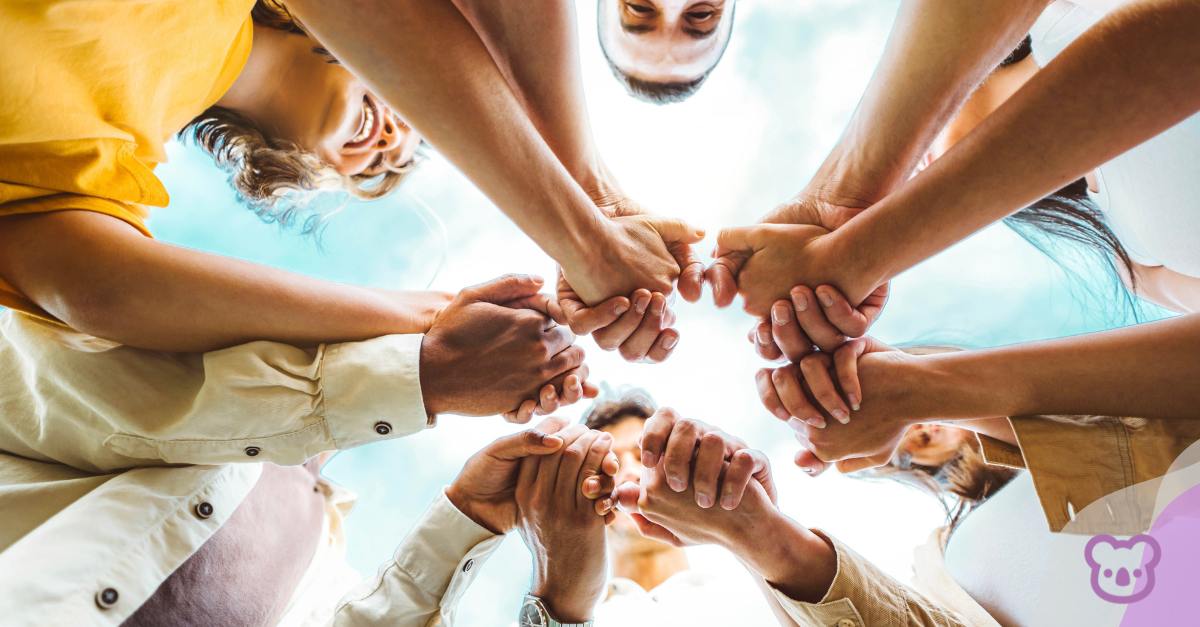
In the face of wars, climate change, and polarization, International Week is a reminder that we are part of something bigger. It is a celebration of our shared humanity, but also a commitment to working together for a better future.
The challenges are immense, but so too is our capacity for hope, learning, and collaboration. Let this International Week ignite in all of us the belief that while we may come from different nations, we are one global community, bound by a shared destiny and a shared responsibility to care for one another and our planet.
As someone who has spent a lifetime in global education, I can say with certainty: the world needs internationalism more than ever. International Week is not just a celebration—it is an imperative. It is a reminder that we must stand together, even when the world feels as though it is falling apart.