













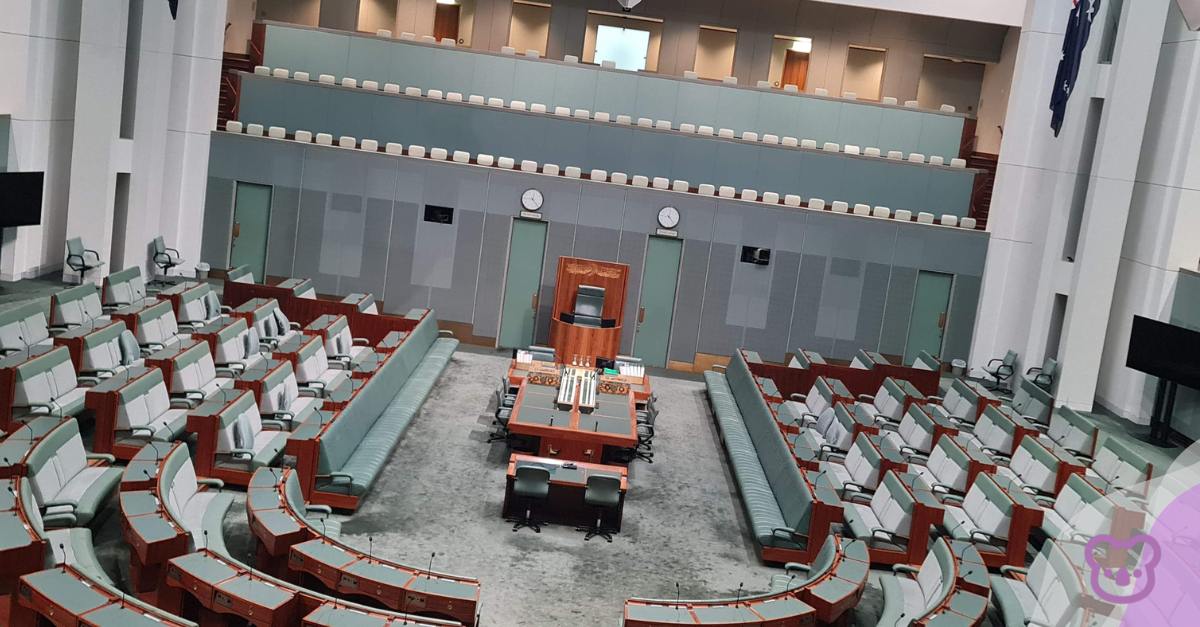
The Government tabled the Australia’s Foreign Relations (State and Territory Arrangements) Amendment Bill 2026 in Parliament last week, proposing a series of changes to the Australia’s Foreign Relations (State and Territory Arrangements) Act 2020. The amendments include extending the Act to overseas campuses of Australian universities and changing how universities manage foreign arrangements.
The amendments respond to an independent Review of the Foreign Arrangements Scheme led by Rosemary Huxtable, which identified opportunities to strengthen the Scheme’s effectiveness while reducing administrative burden.
Under the Foreign Arrangements Scheme, established in the Act, Australian public universities are required to notify the Foreign Minister before entering certain arrangements with foreign entities. Where the arrangement is with a “core foreign entity”, ministerial approval is required before negotiations can proceed and again before the arrangement can be entered.
Overseas campuses
Australian universities will become responsible for ensuring their overseas campuses comply with the Scheme. Arrangements entered into by an overseas campus will be treated as arrangements of the Australian university itself, with a six-month transition period.
Moving the Bill in the House of Representatives, Assistant Minister for Immigration and Assistant Minister for Foreign Affairs and Trade, Matt Thistlethwaite said:
“[The Bill] ensures emerging forms of international engagement are appropriately captured, including by extending the scheme to arrangements entered into by overseas campuses of Australian universities.”
Simpler institutional autonomy test
Rather than requiring universities to assess the governance documents and legislative framework of individual foreign universities, the Bill would instead focus on whether the laws of a country place universities under substantial government control. The Bill also sets out examples, including where laws require governing bodies to be dominated by the ruling political party or require teaching or research to adhere to government political doctrine.
Explaining the need for the change, the review found:
“It is difficult for universities to determine whether an institution with which they propose to enter an arrangement has institutional autonomy under the Act. To apply the definition of institutional autonomy in the Act, universities have to access, understand and sometimes translate a foreign university’s governing documents and any applicable laws which is time-consuming and administratively burdensome. An absence of guidance on what is in scope contributes to a duplication of effort as each STE must undertake its own scoping assessments of the same entities.”
One-step notification for non-core arrangements
Universities will no longer be required to notify the Minister of a proposed non-core foreign arrangement. Instead, a single notification will be made once the arrangement has been entered.
This one-step notification process responds to Recommendation 16 of the Huxtable Review.
Ministerial conditions
The Bill gives the Minister an express power to impose, vary or revoke conditions on approvals for core arrangements, and on the ongoing operation of both core and non-core arrangements. However, the Minister cannot require the agreement itself to be rewritten or impose conditions inconsistent with the agreement’s terms.
According to the Explanatory Memo, these amendments provide flexibility to respond to foreign relations changes.
Terminated agreements
Universities will need to notify the Minister when notified foreign arrangements are terminated before their scheduled end.
Since the Foreign Arrangements Scheme commenced in 2020, more than 22,000 notifications relating to foreign arrangements have been made to the Australian Government.
The Bill has been introduced into the House of Representatives and will now proceed through Parliament.












