

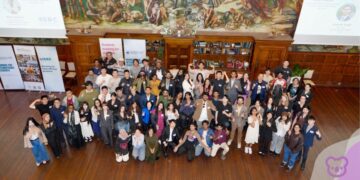












For many international students, studying abroad is not simply about earning a degree. It is a journey shaped by sacrifice, uncertainty, pressure, and hope for a better future. Every year, students leave behind family, culture, and comfort to build new lives in countries like Australia.
Most arrive seeking education, opportunity, financial stability, and career success. But the international student journey runs much deeper than academic achievement. It is a process that reshapes both life and identity.
Behind graduation photos and career milestones are stories of loneliness, homesickness, emotional exhaustion, and quiet resilience. Many students spend years trying to build a future while also trying to understand who they are becoming along the way.
Survival
“I need to make it.”
The journey begins with survival. Students enter unfamiliar systems, cultures, languages, and responsibilities while trying to manage finances, work, housing, and study independently. Some work late night shifts before morning classes, while others quietly struggle with homesickness while trying to appear strong. At this stage, happiness is not the priority. The priority is simply getting through each day.
Stability
“I need to feel safe.”
Over time, survival slowly shifts into stability. Students begin building routines, friendships, confidence, and support networks. Small moments like sharing meals, feeling understood, or finally feeling accepted start to create emotional comfort.
At the same time, many begin looking beyond short-term survival, as the pathway from student visa to temporary residency and, for some, permanent residency becomes part of their long-term vision. Stability is no longer only emotional. It also becomes about building security, certainty, and a future they can genuinely call their own. This stage brings something many international students quietly search for: a sense of belonging. For the first time, life feels less uncertain.
Selfhood
“I am discovering who I am and what I want.”
This is where transformation begins. Living abroad changes people from the inside. Students start questioning their identity, beliefs, goals, and values while becoming more independent, self-aware, and emotionally mature.
They begin asking difficult questions about what kind of life they truly want, and whether they are following their own path or someone else’s expectations. Many realise they are no longer the same person who first arrived, as their thinking, priorities, and sense of self begin to shift.
This stage can feel unsettling, but it is also powerful, because it is where students begin to take ownership of their lives. The journey is no longer only about building a career; it becomes about building themselves.
Success
“I achieved something.”
Eventually, many students achieve the goals they originally came for. They graduate, secure employment, become financially stable, and create opportunities for themselves and their families. This is real success, and it deserves recognition.
However, many also come to realise that achievement alone does not automatically create fulfilment. Life is ongoing and constantly evolving. Success can improve circumstances, but it cannot fully replace meaning, connection, or inner peace.
Significance
“My life means something.”
The final stage is significance. This is where life begins to feel meaningful beyond achievement. It is the sense that the struggles, sacrifices, and years of uncertainty were part of something larger than survival or status.
Significance comes from purpose, contribution, emotional fulfilment, identity, community, and positively impacting others. For many international students, this becomes the real aspiration: not just surviving or succeeding, but building a life that feels meaningful and worth the sacrifices made along the way.
International students should not be measured only by academic or professional outcomes, but by their long-term personal transformation, the lives they rebuild, the meaning they discover, and the impact they create. Their journey is not just about building a career, but about building a life of significance worth living.
Nick Shrestha, founder of Career Panacea, a graduate employability and workforce development platform, who has supported graduates from more than 42 nationalities. His work focuses on bridging the gap between education and employment while promoting inclusive employment outcomes. He has been recognised as one of Australia’s most influential Asian-Australian leaders under 40 and is a recipient of the Governor’s Multicultural Award.












