








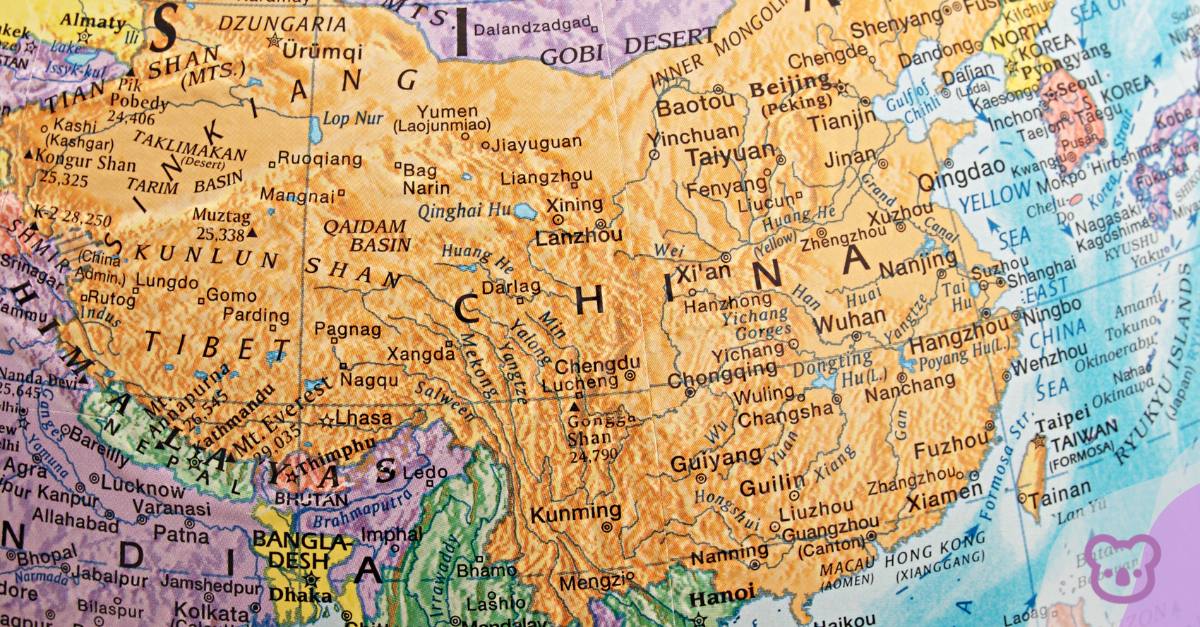
IEAA’s annual Transnational Education Forum (TNE) kicked off yesterday with a panel session on China: Emerging models and opportunities. The panellists for the session were Rob Lawrence, Prospect Research & Marketing, Neema Cucinotta, Swinburne University of Technology, Yuan Peng, TAFE NSW and Peter Harris, UTS College.
Rob Lawrence commenced the session with Onwards and upwards, a review of the China landscape and where demand is growing. One of his points was, as a master’s is almost mandatory in the current employment/economic environment in China, a bachelor through a TNE partnership is a cost saving consideration for parents and students. One of his key takeaways was that China takes a long-term, not transactional, approach to TNE partnerships. Rob also posed the question as to whether Australian providers have the appetite and/or capacity to take on the opportunities that exist.
Peter Harris discussed the changing China TNE pathway market, noting that there is both increased awareness (eg by parents) and increased acceptance by potential partners of this type of offering. His ‘secrets to success’ included the importance of selecting the right partner, ensuring alignment with both the pathway provider and its university partner. He also discussed some of the risks of maintaining quality and focus throughout the partnership.
VET in China was the focus of Yuan Peng’s presentation, with almost 13000 students enrolled offshore in VET in China in 2022. Yuan highlighted opportunities in VET for non-traditional/technical programs, as well as joint training programs. She also discussed a challenge of losing partnerships following China’s upgrade of applied universities.
Neema Cucinotta discussed Swinburne’s TNE journey in China, from articulation to joint programs, and now to joint institute. In an important reality check for institutions considering these types of partnerships in China, she noted that Swinburne takes a loss leader approach covering costs only, with the Chinese Ministry of Education taking a dim view of foreign institutions wanting to profit from in-country delivery. In considering the future of TNE in China, Neema concluded by asking what the sector is doing to leverage connections for research, to evolve TNE from just being a teaching arrangement to being a teaching plus research arrangement.
TNE as a long-term commitment, with realistic expectations about returns on investments, was a theme that was repeated throughout the day. The TNE Forum concludes today.