


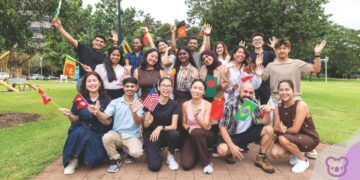
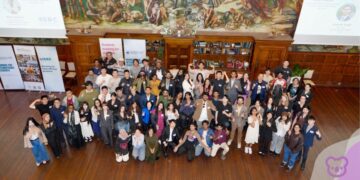






The QS 2024 Europe Summit, held just outside Barcelona, has this week brought together thought leaders, educators, policymakers, and industry experts to discuss the future of higher education in Europe. This year’s summit focused on key themes such as employability, the integration of technology in education, sustainability, and the role of higher education institutions (HEIs) in driving social and economic progress. Over the course of several days, attendees engaged in dynamic discussions, workshops, and presentations aimed at addressing the challenges and opportunities facing European higher education and beyond.
Emphasising Employability Across the Student Lifecycle
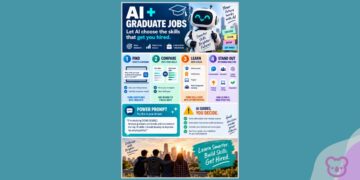
One of the central topics at the summit was the importance of addressing employability needs throughout the student lifecycle. With the job market constantly evolving, equipping students with the skills needed for success is paramount. Speakers highlighted the need for HEIs to integrate employability strategies from the earliest stages of education. This involves not only providing academic knowledge but also fostering practical skills and competencies that align with industry demands. And there is plenty of data to support this process. 1Mentor, a recent acquisition of QS, uses AI to scan more than 200 million graduate job ads globally, and now maps employer skills expectations against university curriculum. The result is a system that provides analysis for both students and institutions to determine the skills that are necessary to improve employability.
A session led by Successful Graduate and 1Mentor underscored the significance of utilising employer feedback to identify skills gaps. By understanding the specific needs of employers, universities can tailor their curricula and support services to better prepare students for the workforce. This proactive approach ensures that students are not only learning theoretical concepts but are also gaining the hands-on experience necessary to thrive in their careers.
Early intervention emerged as a critical component of this strategy. Through advanced analytics and predictive modelling, HEIs can identify at-risk students and provide targeted support to enhance their employability by recommending additional skills that are required by employers, according to the AI driven research database. This proactive measure helps students build a solid foundation of skills and confidence, increasing their chances of success post-graduation. It also helps with student recruitment strategies, because future students will have confidence that the skills learned within their degree is employer-relevant. The session showcased various case studies and success stories, demonstrating the tangible benefits of early intervention programs.
Harnessing the Power of Technology in Education
The integration of technology in education was another prominent theme at the QS 2024 Europe Summit. With the rapid advancement of digital tools and platforms, HEIs have the opportunity to revolutionise the way education is delivered and experienced. Attendees explored how scalable technology can maximise university resources and provide personalised support to students.
One of the key discussions revolved around the use of artificial intelligence (AI) and machine learning (ML) to enhance student outcomes. These technologies can offer tailored career advice, skill-building resources, and real-time feedback, helping students navigate their educational and professional pathways more effectively. The session highlighted how
The summit emphasised the importance of digital literacy for both students and educators. As technology continues to permeate every aspect of life, having a strong foundation in digital skills is essential. HEIs were encouraged to incorporate digital literacy into their curricula, ensuring that students are well-equipped to succeed in a technology-driven world.
Sustainability and Social Responsibility
Sustainability and social responsibility were also key topics of discussion. With the growing awareness of environmental issues and the urgent need for sustainable practices, HEIs have a pivotal role to play in driving positive change. The summit explored how universities can integrate sustainability into their operations, research, and teaching. Obviously, this is a growing issue for student recruitment activities as well. Students are researching sustainability measures of universities, and also seeking to understand what sustainability skills they will be taught.
Speakers highlighted the importance of developing sustainability-focused curricula that educate students on the environmental challenges facing the world and the innovative solutions needed to address them. This involves not only theoretical knowledge but also practical, hands-on experiences that empower students to become agents of change.
The summit also emphasised the role of HEIs in fostering social responsibility. Universities have the potential to drive social progress by promoting inclusivity, diversity, and equity within their communities. Attendees discussed strategies for creating a more inclusive academic environment, where all students have equal opportunities to succeed. This includes initiatives aimed at supporting underrepresented groups and creating a culture of respect and inclusion.
The Role of HEIs in Economic and Social Progress
The summit also delved into the broader role of HEIs in driving economic and social progress. Universities are not just centres of learning; they are also engines of innovation and economic development. By fostering a culture of entrepreneurship and innovation, HEIs can contribute to the growth of local and global economies.
One of the key sessions focused on the importance of university-industry collaboration. By partnering with businesses and industries, universities can ensure that their research and teaching are aligned with real-world needs. This collaboration can lead to the development of new technologies, products, and services that drive economic growth and create jobs.
The QS 2024 Europe Summit in Barcelona was a testament to the dynamic and evolving landscape of higher education in Europe. Discussions and interactive sessions were engaging, attendees explored the critical themes of employability, technology integration, sustainability, and the broader role of HEIs in driving economic and social progress. As the higher education sector continues to navigate the challenges and government policy minefields of 2024, the insights and strategies shared at the summit will play a crucial role in shaping the future of not only European, but also Latin American education.
If there was one consistent theme that was addressed throughout the Summit, it was that the HEI sector must be more focused on employer needs. The 2023 QS Employer survey has drawn upon the responses of nearly 110,000 employers globally (nearly 140 times larger than the Word Economic Forum employer survey), and has outlined a significant skills gap. It is no longer relevant or appropriate for universities to just supply degrees. We must help universities to deliver new human/soft skills, reducing the growing skills gaps that is emerging globally. Successful Graduate and QS have teamed up to deliver products that address these gaps. Watch this space for our new soft skills microcredentials in the coming months!












