









As a woman who has spent much of my career managing international student support and wellbeing services—delivered by teams of caring, skilled, and well-trained practitioners—the findings of the latest national study on sexual and intimate partner violence among women international students are nothing short of distressing. Despite all the time, energy, and infrastructure we’ve invested into creating safe, inclusive environments, these students are still feeling isolated and unsupported. It’s heartbreaking and, frankly, infuriating.
The INVEST project—Preventing and Addressing Sexual and/or Intimate Partner Violence Against Women International Students—is the first comprehensive national study of its kind in Australia. The research involved a national online survey of nearly 1,500 women international students, interviews with 56 women who had experienced sexual or intimate partner violence, and focus groups with 16 key stakeholders, including higher education staff, student advocates, and health insurance representatives.
The results are stark. Over half (54%) of participants reported experiencing either sexual violence since arriving in Australia or intimate partner violence (IPV) in the last 12 months. Among those who had ever been in a relationship, 45% had experienced IPV in the past year—22% of whom reported severe combined abuse. In 94% of these cases, the perpetrator was male.
Sexual violence was similarly prevalent. Forty percent of participants said they had experienced some form of sexual violence in Australia, with the most common being unwanted contact, including harassment, inappropriate comments, and sexual touching. More alarmingly, 18% reported coerced or forced sexual acts, and 11% experienced attempted or completed rape or sexual assault. Again, 97% of perpetrators were male—62% were strangers, while the remaining 60% were known to the victim, including intimate partners, friends, acquaintances, or casual hookups.
These findings aren’t new to me. I’ve heard similar stories from women international students throughout my 25 years in this space. But hearing them on this scale—through formal research—brings a sense of urgency that can no longer be ignored.
Two recurring themes from the study made me particularly angry. First, many perpetrators reportedly threatened to cancel students’ visas if they tried to get help or leave the relationship. Second, women shared that men often felt emboldened to abuse them because they believed their temporary visa status meant legal consequences were unlikely.
The trauma these students carry is significant—many experienced anxiety, depression, physical injuries, sexually transmitted infections, or unwanted pregnancies. Worse, the emotional toll often led them to withdraw from the very social and academic opportunities they came to Australia to pursue.
I fully support the Practice Guide developed by the INVEST project as part of its findings. It’s a practical resource for education providers, offering insight into student experiences and clear, actionable recommendations. The guide proposes a whole-of-community approach and includes summaries of survey results, student and stakeholder feedback, and proposed next steps for institutions. I strongly urge every university to review and implement it: Practice Guide link
But let’s be honest—many of these recommended practices are already in place in major institutions and community organisations. So why aren’t they reaching the students who need them most?
Findings from the Best Practice International Student Engagement project give us a clue. Among the top reasons students didn’t seek help: they didn’t know how to start the process (15%), couldn’t articulate the issue (11%), didn’t realise help was available (11%), feared getting in trouble (10%), or worried their request would be rejected (9%). These are not failures of policy, but of communication, trust, and visibility (TKN 30/8/23).
The solution isn’t just more programs—it’s reassurance, clarity, and action. We need to make it absolutely clear that seeking help for sexual assault or intimate partner violence will not affect a student’s visa or academic status. That message must be front and centre, repeated often, and available everywhere our women international students are—on websites, in student portals, on posters, in orientation sessions, and through community partners.
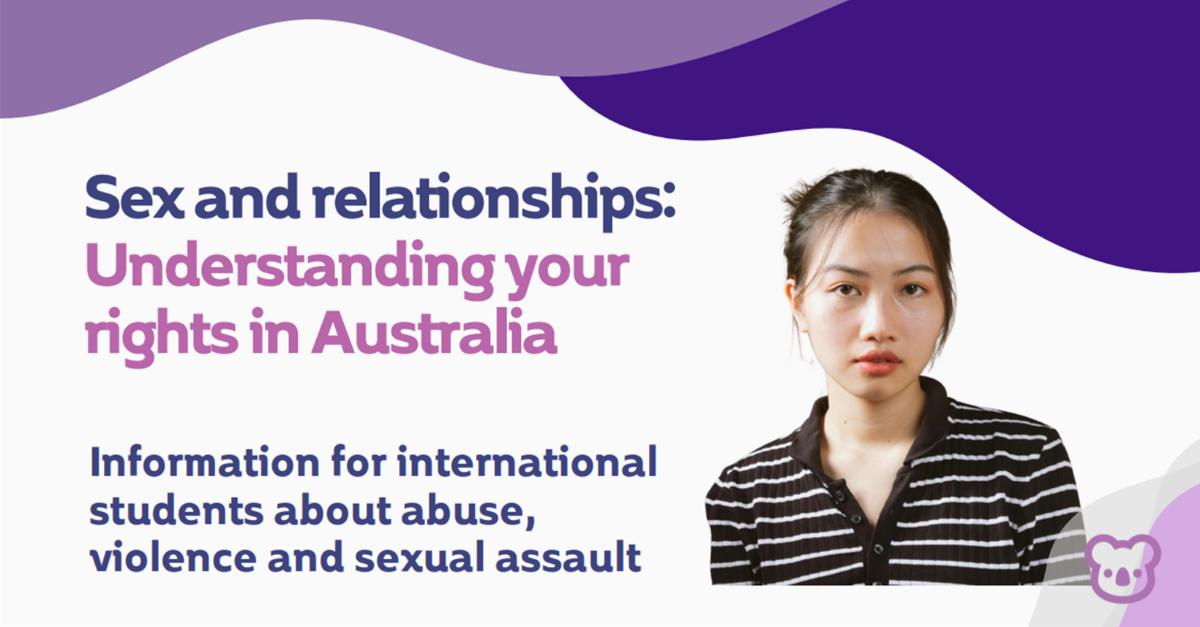
As a starting point, let’s distribute the INVEST project’s information sheet on student safety as widely as possible, in both physical and digital spaces. You can find it here:
Information Sheet PDF
We owe it to these students—who contribute so much to our communities, campuses, and country—to do better. This is no longer just a wellbeing issue. It’s a moral imperative. We can’t let this continue.












