











Australia’s international education sector is again being asked to think bigger than enrolments, rankings and visa settings.
A new forum hosted by the Australia China Business Council is set to examine how international education can become more deeply connected to Australia’s broader visitor economy, at a time when the sector faces growing competition, changing student expectations and mounting geopolitical pressure.
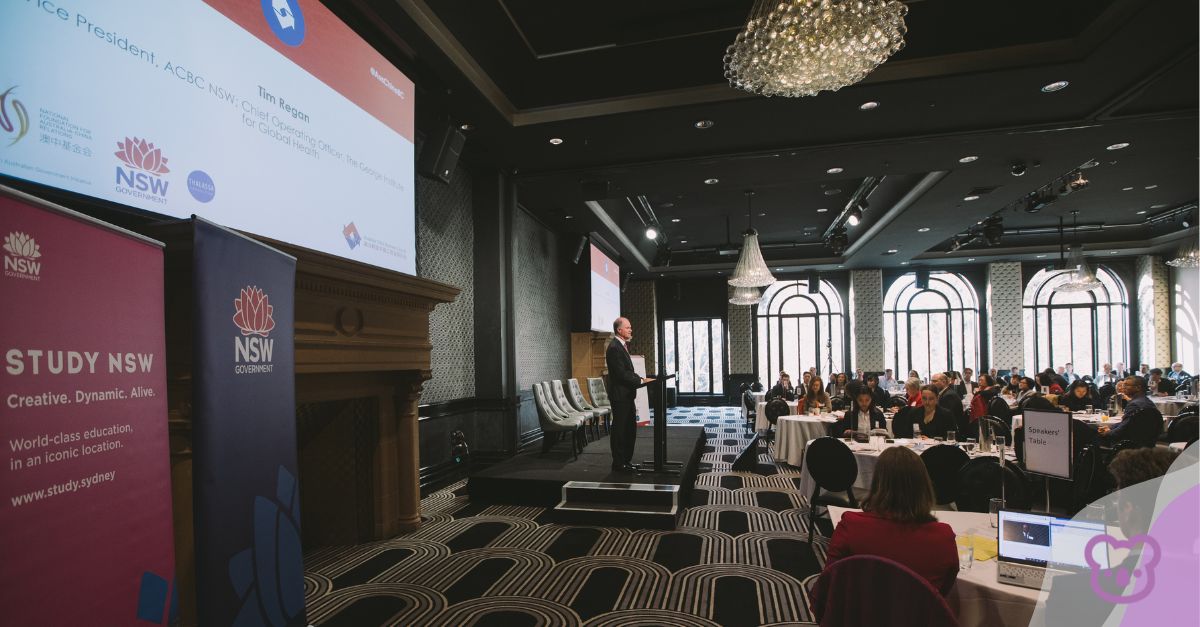
The ACBC International Education and Visitor Economy Forum will bring together leaders from education, government, and industry sectors to discuss what comes next for one of Australia’s most important export industries.
Rather than focusing purely on institutions, compliance or migration settings, the forum positions international education as a “whole of destination” experience. That means looking beyond the classroom and considering how students interact with business, employment, and community life while studying in Australia.
It is a conversation increasingly taking hold across the sector. For years, Australia’s international education model has leaned heavily on institutional reputation and post-study opportunities. But with students now weighing cost pressures, safety, employability, belonging and overall experience more closely than ever, the competitive landscape is shifting.
Countries such as Canada and the United Kingdom have spent recent years recalibrating policy settings while also pushing destination-based narratives around student experience, industry integration and lifestyle. Australia is now facing similar questions about how it differentiates itself in a crowded global market.
The forum’s emphasis on trust and quality also comes at an important time. International education continues to face intense political scrutiny domestically, particularly around migration and integrity concerns. Against that backdrop, the sector is increasingly trying to reassert its broader economic and social value.
One of the more interesting themes likely to emerge is the relationship between education providers and Australian businesses. While employability has long been central to student decision-making, many employers continue to report difficulty engaging international students in meaningful ways during study.
There is also growing recognition that international students contribute far beyond tuition fees. Their spending supports tourism, hospitality, retail and local economies, particularly in major cities and regional centres heavily reliant on visitor activity.
The idea that international students should be viewed as part of the visitor economy rather than a separate policy silo reflects a broader shift in thinking that is slowly gathering momentum across the sector.
Whether that translates into practical change is another question entirely. Australia’s international education system remains heavily shaped by fragmented policy settings across migration, education, employment and tourism portfolios.
Still, the forum signals a growing appetite for a more connected conversation about what international education is supposed to deliver, and who benefits from it.
In a market where students increasingly expect more than just a qualification, that conversation is likely to become harder to avoid.
The forum will take place in Sydney from 9am-1pm on 9 June.
For more information and to register, see here.