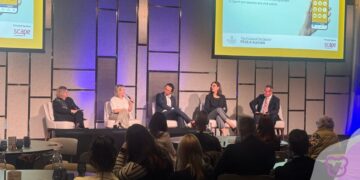








Do you remember the moment your journey as a higher education professional started? I do. It was two years ago and three days into a brand-new university role, and I was attending my first international education conference. In a room full of seasoned professionals, I was unexpectedly called upon to share insights from a group discussion on recruitment strategies. Unsure what I might contribute, I opened with, “Go easy on me, I’ve only been in higher ed for three days and I’m a service designer.” The room erupted in genuine, generous laughter, their responses a mixture of bemusement and encouragement; perhaps some were wondering what a service designer does, or why higher education would need one.
A non-linear journey in unfamiliar territory
Coming from another sector (media) and moving interstate for the role, I entered an unfamiliar academic and cultural environment: full of curiosity and hope, but often overwhelmed by a complex web of language, people, systems, services and norms – lots of norms! If you work in any capacity with international students, you’ll already see the parallels to their experiences as find their way into our institutions.
For me, it has been a non-linear journey of discovery, navigating an intricate and sometimes opaque ecosystem. Like our students, I encountered a new vocabulary of acronyms and concepts: GSR, CoE, CRICOS, TEQSA, education agents, migration agents, visa classifications and so much more. If you know, you know. If you don’t, my advice is to find someone who does, and quickly.
I met people across the breadth of the institution and sector: professional and academic staff, frontline advisors, recruitment officers, admissions and operations teams, each with unique objectives, incentives, and subcultures. As we talked and worked together, I encountered complex processes that help and hinder the early stages of the student journey from application to enrolment, woven through digital touchpoints like websites, chatbots, CRM, emails, and online platforms. I began to decipher the policies and practices that underpin student experience and institutional operations.
When naïvity becomes insight
I came from a discipline (service design) that is known to some, but not yet established as a core feature of the higher education professional skill set. I couldn’t assume that anyone knows what I do, why I do it, or what good practice looks like in this space. But as a newcomer to this sector, I had a responsibility not just to explain myself, but to learn, too. I sought to understand the diverse motivations and lived experiences of students, both international and domestic, including those whose experiences fall outside the mainstream.
My role as a ‘naïve voice’ proved valuable. I asked questions others may not think to ask, or may no longer feel permitted to. I followed each answer with another ‘why?’ in the spirit of service design and systems thinking. I reminded myself that all sectors benefit from ‘outside-in’ perspectives. By embracing my inexperience and applying lessons from other sectors, I have been able to surface embedded assumptions and start to challenge the status quo.
Design as intentionally but respectfully disruptive
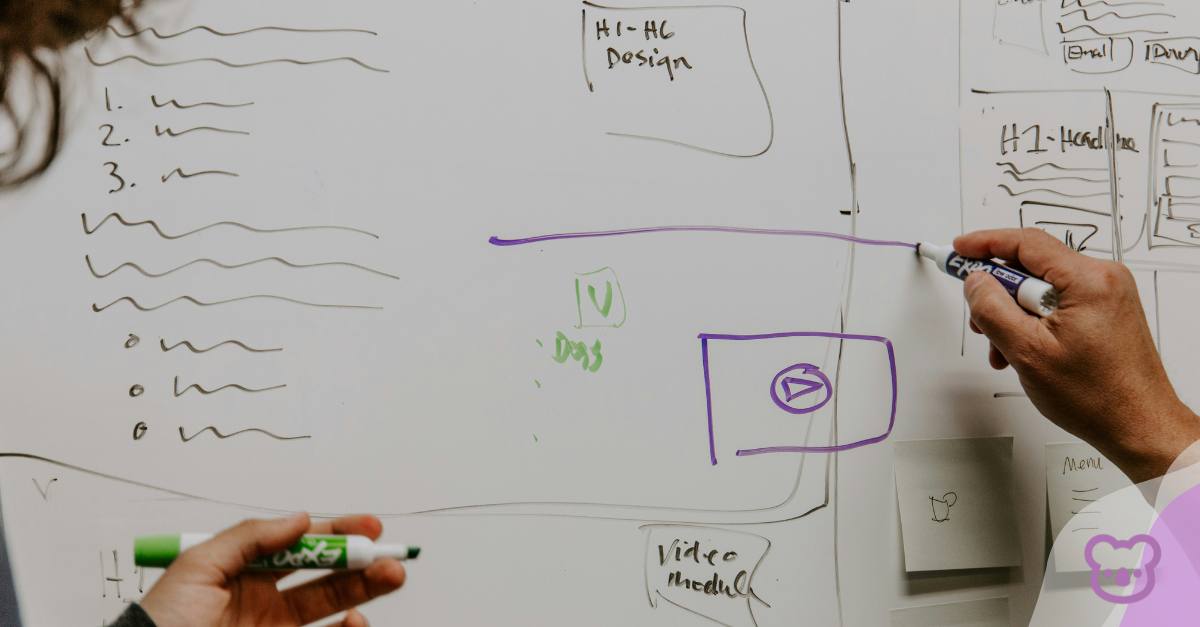
Service designers thrive in complexity and ambiguity, bringing the skills and mindset that this sector could really use during these times of change. Drawing on disciplines and methodologies like design research, change management, agile, and business analysis, we have a diverse toolkit to help us navigate unfamiliar terrain. We use these tools to make sense of intangible, non-linear systems, identify important interactions and key moments, and sequence them into journeys, business processes and strategic outcomes.
We also have empathy for the people in the system; our methods surface and champion the human experience, for both students and staff. We are curious to explore the messy human context and challenges, and we use these insights to create experiences and services that make them more useful and desirable as well as more efficient, effective, and profitable for businesses.
Our work is intentionally disruptive, but always respectfully so. Sometimes we are facilitators, bringing together students, subject matter experts and experienced practitioners to co-design meaningful solutions to painful problems. At other times we are provocateurs, bringing new viewpoints, initiating uncomfortable conversations and breaking down silos in service of a common goal: shared understanding and ownership of student experiences.
As I continue to adjust to my surroundings, it’s clear that the nature of service design will always involve elements of discomfort – sometimes our own uncomfortable truths, sometimes with peers and colleagues as we confront long-held ‘norms’ that no longer serve the needs of our institutions, staff, and students. If you’re okay with a little disruption, I hope to share more on service design and the ways it might help us to reframe our perspectives on student experience in higher education. In the meantime, if you spot me in a conference audience near you, come and say hello – I almost certainly have some questions for you.
Georgia Rowe specialises in creating human-centered products, services, processes, and brand experiences with multidisciplinary teams. From strategy to implementation, she works across a range of customer and employee touchpoints, often navigating complex customer journeys. Over the past 16 years, she has helped organisations like the BBC, Virgin Media, ABC, Telstra, and Adelaide University rethink and improve their customer and employee experiences. She is passionate about sharing human-centered design through teaching and has developed and led design training for Fjord (Accenture), BBC, University of Sydney and University of Western Sydney.