













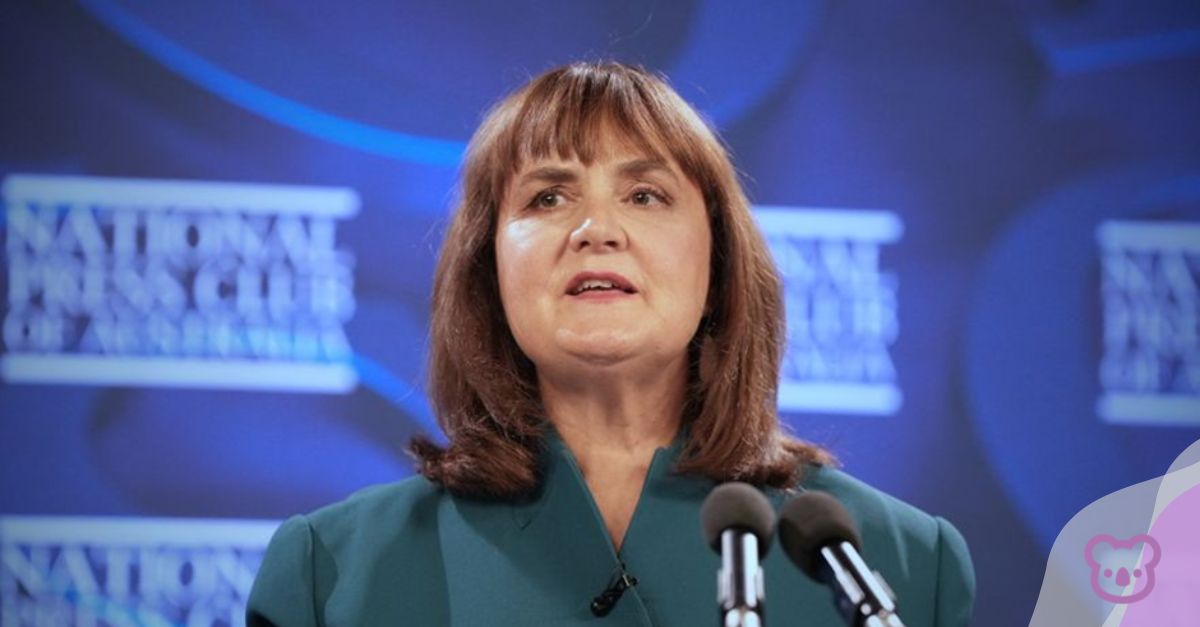
Universities Australia chair Professor Carolyn Evans used her National Press Club address on Wednesday to call for a better quality of public debate, beyond political theatre, and considering the full consequences of policy choices. International students were at the centre of that argument.
Evans said governments were entitled to pursue lower international student numbers, but should be clear about the consequences. She pointed to the impact on university finances, health and aged care and tourism, and asked what the plan for economic growth is if Australia is simultaneously pulling back on migration, skills, knowledge formation and innovation.
Her point was not that there should be no limits, but that policy decisions need to be made with “eyes wide open” to both the positive and negative consequences.
“The politicians pledging cuts might even start working on a plan for dealing with some of those consequences,” said Evans.
One of Evans’ more interesting observations was that, following what she described as the “egregious increases” in student visa and post-study work visa charges in recent years, government itself is becoming reliant on international student income while warning universities about the risks of that same reliance.
Evans also rejected the characterisation of universities as simply “addicted” to international student revenue, arguing that government funding settings had left universities reliant on it to meet costs not otherwise covered.
She said international student income had helped sustain the quality of the university system at a lower cost to taxpayers, and warned that significantly reducing student numbers without an alternative funding model would have consequences for jobs, campuses and the wider economy.
Evans makes a strong case for looking beyond headline dollars and student numbers, and more closely at the consequences of policy choices. She also points to the longer-term diplomatic consequences of reducing international student numbers.
But a better public debate still needs to recognise that the value of international education goes beyond revenue, workforce and migration. It also lies in what it offers students, what it brings to Australian classrooms and communities, and the relationships it builds between people and countries.
If policy choices are to be made with “eyes wide open”, that broader value needs to be part of the debate.












