







The presenters at last week’s IEAA Pathways Forum provided a timely reminder that, despite the current turmoil in government policy making, the sector has control of the experience it provides to students. The annual Forum was hosted in Sydney on Friday 12 July by the IEAA Pathways Network, with this year’s theme Balancing Sustainability, Profit and the Student Experience.
Navitas was the sponsor for the Forum, and Leigh Pointon, Executive General Manager University Partnerships Australasia, Navitas kicked off proceedings with opening remarks. Leigh spoke about a forthcoming report from Navitas which will be one to look out for, Learning Loss: The next pandemic in international education. The pathways sector is going to have an important role to play in future years with the report highlighting that in the OECD “one-in-four 15-year-olds is now considered a low performer in mathematics, reading, and science”.
IEAA CEO, Phil Honeywood provided some introductory comments for the day, leaving little doubt that IEAA is lobbying hard to impact the government’s current direction.
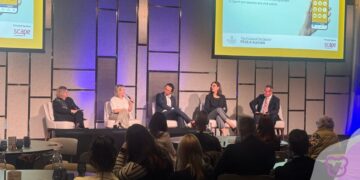
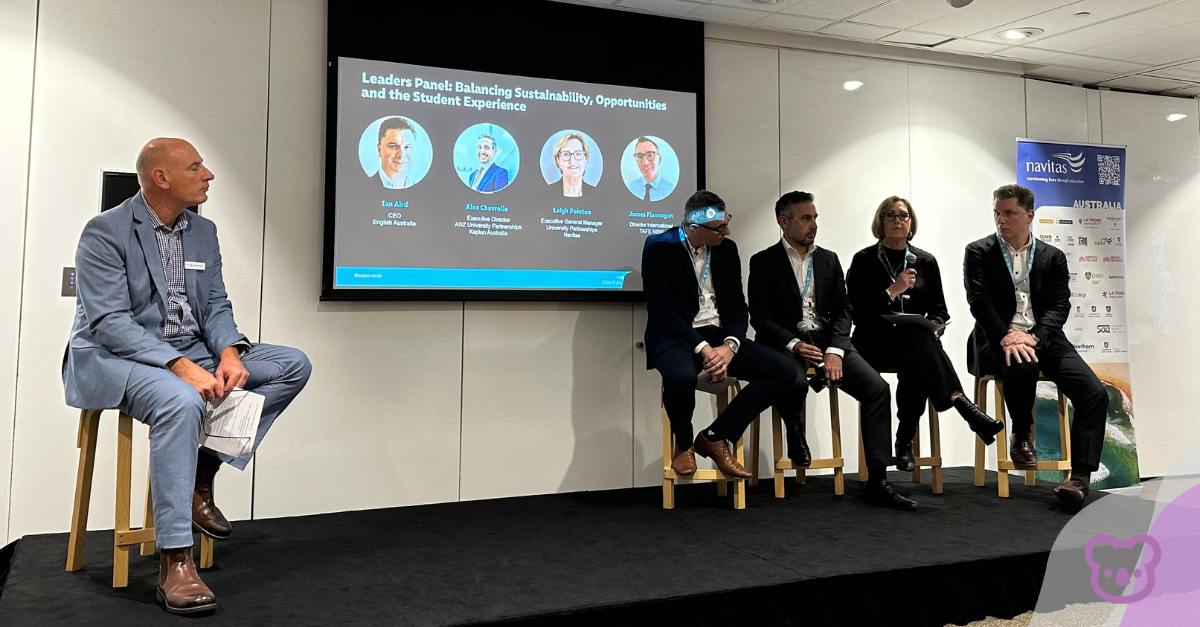
A leadership panel of Leigh Pointon, Ian Aird, CEO, English Australia, Alex Chevrolle, Executive Director, ANZ University Partnerships, Kaplan and James Flannagan, Director International, TAFE NSW, joined Andrew Foley, IEAA Pathways Network Convenor, and Director and Principal, Flinders University Academy to discuss the theme of the Forum. The student visa application increase is hitting the ELICOS sector especially hard, according to Ian Aird, and he was also critical of the poor implementation of changes to English language requirements by government earlier in the year.
Leigh brought an optimistic lens to the discussion, highlighting two opportunities for the sector: transnational education (TNE) and an increase in domestic demand. James was also optimistic about the opportunities for TAFE, including being dual sector, and the possibility for students to contribute to the skills shortage. Alex reflected that Australia was in a fortunate position that a number of countries were restricting international student flows at the same time, and that it appeared to be a situation of two steps forward and one step back for international education.
Casey Parkes and Maggie Hoeller from Kaplan’s University of Newcastle College of International Education presented on Cultivating Community with Student Voices: A 360° Student Engagement Framework. The presentation showcased how Newcastle’s student-led Framework is providing an excellent experience for students through its Newcastle Experience Week, Elevator Pitch and Ambassadors Program. Casey set the tone for the remainder of the day, reminding the audience that providing a positive student experience is something that the sector has significant influence over, regardless of government policy directions.
One of the challenges Australia’s pathways sector faces is the lack of robust data available to demonstrate the importance of the sector, its visibility and value. Phillip Allen, UTS College discussed a proposal for a new methodology and system to collect this data in his presentation on Pathway Market Sizing & Defining the Strategic Role of Pathways.
Being in the Moment for Student Recruitment – Right Message, Right Time, Right Channel was the message given by Heidi Monsour, Director of Marketing (DLI Project), Navitas. She discussed communication preferences for each of the generations, breaking down what this means from a student recruitment perspective. Just two of the takeaways from Heidi’s session was that 64 per cent of Gen Z’s who use memes say they like it when a company uses them for marketing purposes, and institutions need to stop using ‘three and a tree’ images in their marketing campaigns (ie three students sitting under a tree on a campus lawn, one with a laptop open).
Dom Harden, Co-Deputy Convenor, IEAA Pathways Network and Academic Director, La Trobe College chaired a Student Voice panel of current and former pathways students. The students, from Macquarie University, La Trobe University, UTS and UTS College, spoke positively about their experiences at their pathways’ institutions, particularly commenting on the significant impact their teachers had on the learning experience. One of the students was frank, though, when asked why students may not utilise additional consultation time that is available to them, answering “because students are lazy”.
Student retention is almost certainly going to be a priority for institutions once enrolment caps are imposed. Dr Damian Spencer, Director, Swinburne College presented on some research that was done by his team on student attrition, categorising its occurrence in three distinct phases of the student journey – onboarding, head down studying, transition out. In his presentation, Life in the Fast Lane……or Six Months in a Leaky Boat?, Damian discussed some of the challenges with obtaining data and the various data points available.
Associate Professor Pamela Humphries, Director, Macquarie University College presented a case study on how evidence-based research can influence and affect change, Using pathway students’ perceptions of an intensive delivery mode to balance financial sustainability and the student experience. Macquarie undertook research to evaluate how its students experienced the intensive delivery mode of the College, using the results to influence the modification of its term structure.
Fraser Cargill, Director, Global Partnerships & Recognition, PeopleCert and Dr Patrick Pheasant, Counsellor, Coach and Consultant, discussed the skills that Generation Alpha will need in higher education in 2030 in their presentation, Unlocking Employability for International Pathway Students: A Collaborative Approach to Bridging the Gap. A billion people will need reskilling by 2030, as work adjusts to emerging technologies, and Fraser and Patrick discussed what education providers can do to prepare their international students.
Tracy Harris, Co-Deputy Convenor, IEAA Pathways Network and Principal, Tracy Harris Solutions wrapped up the session.