









Curtin University has vowed to fight a proposed merger with Murdoch University and The University of Western Australia, warning the plan risks diminishing student choice, disrupting the sector and diverting more than $1 billion from other public priorities.
The response follows the Western Australian Government’s announcement that it will establish an expert steering committee and develop a business case examining a potential three-way merger that would create a university of almost 120,000 students.
The Government says the business case will examine the costs and benefits of the proposal, including whether a merger could be self-funded by the universities. A final decision will be made after the business case has been considered.
Curtin Vice-Chancellor Professor Harlene Hayne CNZM said the benefits of the proposal had not been clearly articulated, while the costs and risks were already evident.
“Cost, waste, and loss of choice, jobs and legacy will be the hallmarks of the planned merger of universities proposed by the Western Australian Government today,” Professor Hayne said.
“Curtin will vigorously oppose this in the best interests of our more than 67,000 students, 10,000 staff, 300,000 graduates and Western Australia’s economic future.”
Government argues merger could strengthen WA’s economy
The Government’s position is that combining the three institutions could strengthen Western Australia’s university sector, improve its international competitiveness and increase its capacity to secure national and international research funding.
It says the proposal builds on findings from the 2023 University Sector Review and the 2025 University Feasibility Study, both of which identified potential economic and employment benefits from a merger.
The new business case will be undertaken by the Department of the Premier and Cabinet, supported by a steering committee chaired by businessman Mark Barnaba, with medical researcher Professor Fiona Wood AO as deputy chair. University and student representatives will be included, alongside expertise in industry, research and finance.
Premier Roger Cook said further work was needed to establish the potential costs and whether the reforms could be funded by the universities themselves.
Tertiary and International Education Minister Dr Tony Buti said the process would examine costs, transition arrangements and implementation pathways, alongside student welfare and opportunities to support research.
The business case will also consider complementary reforms, including improved access to student work placements and a proposed Research, Innovation and Commercialisation Program.
Curtin questions scale, cost and student choice
Curtin argues that creating a university of this scale would introduce complexity rather than improve competitiveness, potentially diverting attention and resources from teaching, learning and student support.
Professor Hayne also questioned the impact on student choice, particularly given Curtin and UWA’s positions among the world’s top one per cent of universities.
At a time when Western Australia is seeking to retain talented young people, she argued that combining two of its leading universities could reduce academic diversity and encourage students to look interstate for alternative opportunities.
The financial implications are another point of contention.
Professor Hayne pointed to the South Australian university merger, which she said could involve up to $650 million in state government expenditure by 2032, alongside a further $462 million from the reserves of the two universities over six years. The combined figure exceeds $1.1 billion.
She questioned whether a comparable investment in Western Australia could be justified amid cost-of-living pressures, housing shortages, healthcare workforce gaps and growing demand on hospital beds.
“As WA faces a cost-of-living crisis, housing pressures, critical shortages of healthcare workers and growing pressure on hospital beds, I can’t see how spending more than a billion dollars in this way will benefit Western Australians,” she said.
Curtin said it would examine the Government’s proposal, including the 2025 WA University Feasibility Study.
International education implications remain to be tested
For the international education sector, the debate raises questions beyond institutional structures. Western Australia’s universities compete globally for students, researchers and academic talent, with institutional reputation, course choice and the student experience all contributing to that competition.
The Government argues a stronger university could improve WA’s ability to attract research funding and support economic growth. Curtin, meanwhile, warns that reducing institutional diversity could weaken student choice and the state’s appeal to talented students.
Whether a mega-university could strengthen Western Australia’s international standing or diminish the diversity that makes its higher education sector attractive remains to be tested.
The immediate next step is the business case, which will examine the financial implications, transition arrangements and potential benefits before the Government makes a final decision. The merger has not been approved.
For now, the Government is progressing its investigation while Curtin has made its opposition clear. The central question is whether the proposed restructuring can demonstrate benefits for students, universities and Western Australia that justify the scale of the change.
The WA Government statement can be seen here. Curtin’s statement, here.
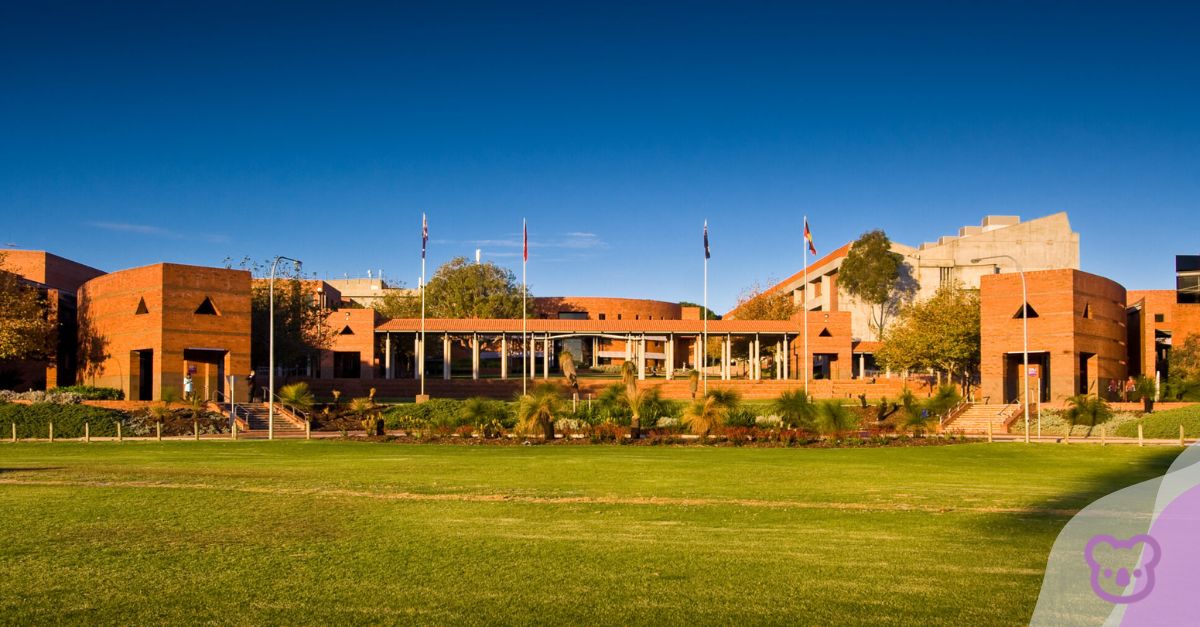
Photo is courtesy of Curtin University.