










Did your alarm go off before the sun came up this morning? After checking on the dog, was your first thought either “What happened overnight in Asia?” or “Did we submit the academic board papers yesterday?” If so, there’s a good chance you’re a leader in international education. Or a global spy with an excellent cover story – but let’s assume it’s the former, for now.
We ‘see’ senior leaders like you in international education all the time: you’re smiling beside visiting dignitaries, signing partnership agreements and dashing off to the next appointment with effortless professionalism. You’re looking great after such an early start – well done!
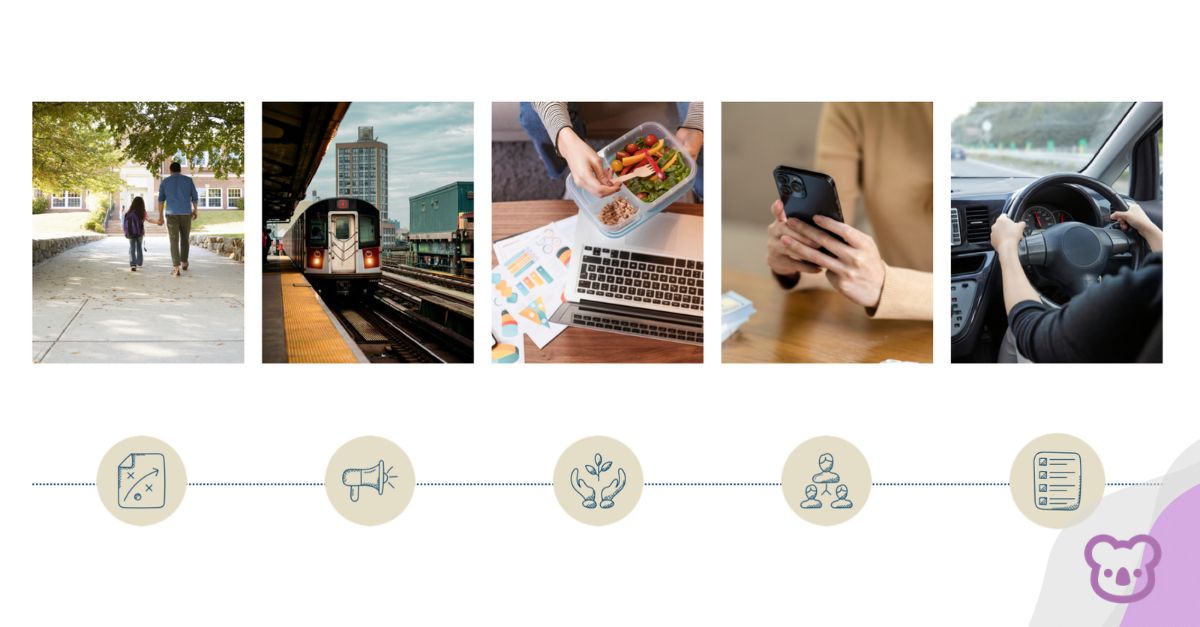
But if we look more closely, there’s more going on. There are 855 notes on your phone, constant reminders of jobs not done, including booking that holiday; there’s a parent with dementia who you need to visit this evening, and a partner whose medication must be sorted before anything else is done. There are kids, and all the things that come with these joyous bundles of admin: drop-offs and pick-ups, unscheduled emergencies and the endless discussions over whose turn it is to do the lunch boxes.
We tend not to find these moments in the leadership literature, but they matter. They matter because they show senior leaders in context, helping us understand what influences, supports, and interrupts the practices of leading at a particular point in time.
Why now?
These practices matter now because the pressures are extraordinary for international education leaders, not only in Australia, but in education hubs around the world. Our sector has always been resilient, but it feels different now. It’s not one or two shifts, it’s all of them: policy and migration, unstable economies, changing geopolitics, social licence, stronger regional competitors, and the simultaneous threat and promise of AI. Everything, everywhere, all at once.
These practices matter if you’re a senior leader and looking for affirmation that you’re not the only one who feels this way right now, or that you’re on the right track, more or less. These practices matter if you’re an emerging leader too, hoping to move into senior leadership and looking for ideas about skills, capabilities and practices of your own to develop and refine.
“Tell me how to be you for a day”
Between June and August 2026, Rebecca Hall and I interviewed 24 senior leaders across universities, pathway colleges, schools, peak bodies and advisory roles. Most had at least 20 years in the international education sector.
We based our approach on a practice theory technique called Interview to the Double. Each leader imagined we were about to replace them at work for a day, undetected, so they had to give precise instructions, from the pre-dawn alarm to the last WhatsApp check before bed.
The results were frank, often funny, occasionally very moving. Some leaders assumed they were the odd one out:
“I’m always of the opinion that I’m the weird one, and everyone else is not thinking that it’s overwhelming, that it’s terrifying, that it’s vulnerable.”
Spoiler: you’re not the weird one. And whilst every interview was unique in its telling of a single day in leadership, there were also many similarities in the core practices they described.
Five practices
As we analysed what leaders said, what they did, and how they related to others, five practices emerged:
- Strategy and sensemaking
- Advocacy and messaging
- Team support and capability building
- Managing and building relationships
- Governance and compliance
No surprises in that list, perhaps. What’s more interesting is how each leader puts them into practice, and how together they form an ecosystem of practices that interact with the broader systems we swim in: budgets under pressure, organisational restructures, technology, time zones, hierarchies, and the shifting narratives in media and daily discourse about international education.
“We’re all in the same boat right now. It’s a complex governance environment, a complex risk environment, a complex international environment, complex financial environment. Everybody’s under the same pressure.”
These broader systems can both enable and constrain leaders’ practices, and in some cases do both at the same time – if you’ve ever cursed the number of Teams channels you have whilst being completely reliant on it for messaging and meetings with your global staff, you know… But leaders are not powerless within these systems, and when we see clearly what holds our practices in place, we can be more focussed on what might need to change, too.
Understand practices, then change them
This isn’t simply a voyeuristic exercise to satisfy our curiosity about other people’s breakfasts, fascinating though that is. The point of practice theory is to explore how work is done in context, what’s influencing our practices, and what we can change if things aren’t working as we hoped.
In this short series of stories in the Koala News I’ll share a few highlights from the research and some thoughts on what it could mean for leaders in international education. Next up we’ll look at the five practices in detail, from managing inboxes full of ‘infernos’ and dealing with diverse teams, to taking on the role of Chief Relationships Officer whilst you’re combing those board papers for issues to raise in the next meeting.
If you’re after productivity hacks, this isn’t the place. But if you’re a senior leader looking for a fresh lens on old habits, or an emerging leader wondering what the job really involves, stick around and see what happens after the alarm has gone off. Just make sure you walk the dog before replying to that urgent text from the VC….
Download the full report: Days of our Lives: Making sense of leadership in international education










