











The outcome of this week’s meeting of the Reserve Bank of Australia, a decrease in the cash rate by 0.25 of a percentage point and the subsequent decision by the big four banks to pass this on to customers, was good news for anyone with a mortgage.
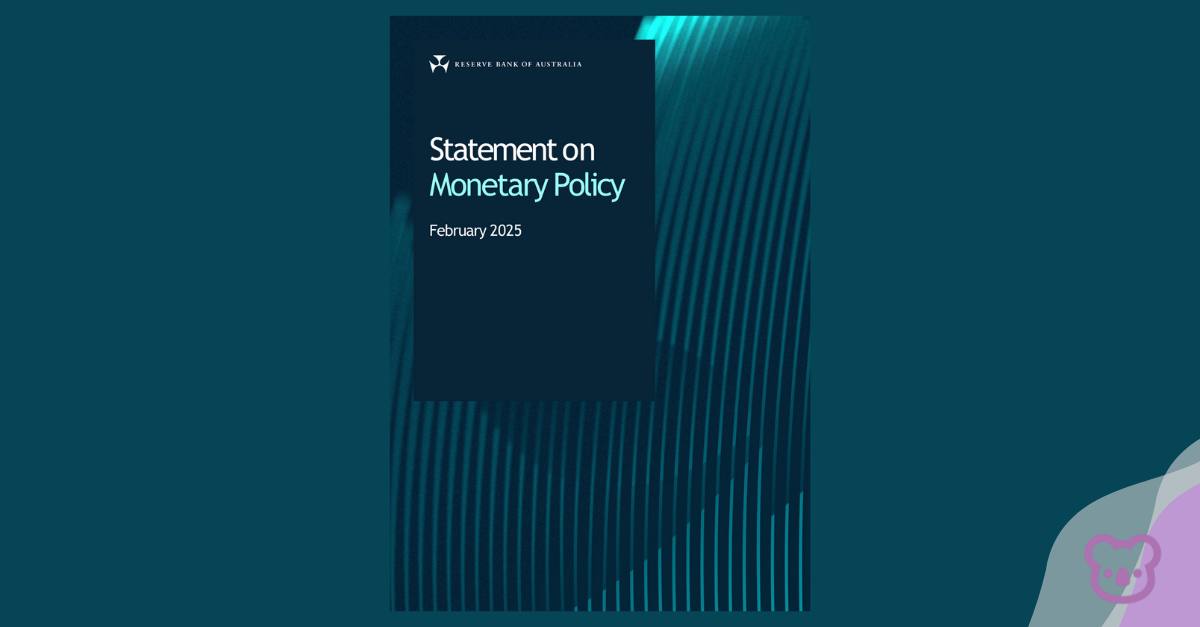
But for Australia’s international education sector, there wasn’t much more good news in the Bank’s February 2025 Statement on Monetary Policy.
The ‘bad news’ in the Statement for the sector, and the broader Australian economy, includes:
- Export growth was weaker than expected over the year to the September quarter, largely driven by services exports.
- Education exports [Australia’s largest services export industry] were weaker than expected due to a tightening in student visa requirements and an unexpected decline in the average expenditure of international students.
- International student commencements declined at some universities in 2024, reflecting changes to government policies and visa processing times.
- [The Reserve Bank’s liaison contacts] are very uncertain about the outlook for international student enrolments in 2025, reporting that some prospective students are preferring to apply to other countries given higher uncertainty about whether they will be granted a place in Australia.
The Group of Eight was quick to provide the following warning:
“visa policies for international education that fail to address the structural funding issues our universities face will only lead to greater confusion for our international students and risk further damaging the sector, with wider consequences for the Australian economy.
Spending by international students propped up Australia’s economy post COVID and was responsible for more than half the nation’s economic growth”.
One question mark following the Reserve Bank decision is whether it will motivate the Government to go to the polls sooner rather than later to capitalise on any goodwill which may have been generated.
The full statement is available on the Reserve Bank’s website.











