










Many in the international education industry are finding it tough at present. It seems that government policy agendas in major student destination markets have caused severe headaches for universities that are trying to recruit students from overseas.
Of course, a major factor that leads a student to choose a country for their studies is the great mix of diversity that they will experience on campus. With migration policies presently affecting the sector in the UK, Canada and Australia, (and possibly the USA after 5 November), how can a university continue to focus upon developing and maintaining social sustainability?
This is a big topic, and one which spans across country of origin, gender, ethnicity, sexual preference, disability and religion. It goes to the heart of integration and inclusion.
I’ve chosen to look at this topic from the perspective of the human needs that drive us all, and how we as educators can provide the right environment to support those needs in our students.
Of course, starting an international education is daunting for most students, who will experience excitement, fear, new boundaries and not a little bit of loneliness. It is important to support new and enrolling students with tools that help them to develop a growth mindset and overcome their initial self-limiting beliefs. The earlier that we can help students to integrate into campus life and wider society, the faster they will develop friendships and create a sense of belonging. For many students, this will be their first experience away from home, and so it is important to encourage healthy eating, a healthy lifestyle and a healthy study/work/life balance. In many cases, students will experience culture shock and will need support getting through this phase of their student lifecycle. Once they are settled in, and are due to commence their studies, the final piece of the puzzle is to support their academic preparation. All of these topics and others such as safety tips, finding accommodation, registering for internet and mobile phone plans, etc are topics that can be addressed early through the delivery of online microcredentials. (https://player.vimeo.com/video/661049625)
By providing early support for common human needs in new students we can start to address some of the common social challenges that they will face.
Common social challenges facing international students … and some that are not so common (or addressed)
International students embarking on higher education journeys often encounter a multitude of social challenges in university settings. These hurdles, stemming from cultural differences, language barriers, and adaptation to new environments, can significantly impact their academic success and overall well-being. Understanding and addressing these challenges are imperative for fostering an inclusive and supportive campus environment.
One common social challenge is the feeling of isolation and loneliness. Being away from familiar surroundings and support networks can exacerbate this issue, leading to feelings of alienation. Universities can counter this by implementing online microcredentials and orientation programs specifically tailored to international students, providing opportunities for them to connect with peers, faculty, and support services. Creating multicultural student clubs and organising cultural exchange events can also facilitate social integration.
Language barriers pose another significant obstacle for international students, hindering effective communication and academic engagement. To address this challenge, universities can offer language support services such as ESL (English as a Second Language) programs, conversation partners, and writing centres. Encouraging inclusive classroom practices, such as group work and active participation, can also enhance language proficiency while promoting cross-cultural understanding among students.
Cultural adjustment difficulties represent a pervasive issue for international students, as they navigate unfamiliar customs, norms, and academic expectations. Universities can provide cultural competency training for faculty and staff to foster awareness and sensitivity towards diverse student populations. Additionally, offering mentorship programs where experienced students or alumni guide newcomers through the cultural adaptation process can facilitate smoother transitions. By informing students that they will likely experience culture shock at the beginning of the student lifecycle, we are better preparing them for this adjustment phase of their academic life. (This is why we have prepared a Pre-Departure Course on the topic that we release to future students through our university clients).
Financial constraints often compound the social challenges faced by international students, limiting their ability to participate in extracurricular activities and cultural events. Universities can address this by offering financial aid packages tailored to international students, including scholarships, grants, and on-campus employment opportunities. Creating affordable housing options and cost-effective dining plans can also alleviate financial burdens and enhance students’ overall well-being.
Less common issues such as access to mothers’ rooms on campus are becoming important topics to address. The provision of mothers’ rooms (or in some cases parents’ rooms), varies widely among universities and is influenced by factors such as campus size, budgetary constraints, and local regulations. The concept of having a dependent while studying helps to usher in another important topic. Can universities better support students with dependents? I don’t like to leave a problem hanging without a potential solution, so here are some thoughts:
Expand Childcare Options: Universities can increase the availability of on-campus childcare facilities and subsidise childcare costs for students. Additionally, providing resources for finding off-campus childcare options or establishing partnerships with local childcare providers can help meet the diverse needs of student parents.
Flexible Scheduling: Offering flexible class schedules, including evening and weekend courses or online learning options, can accommodate the responsibilities of student parents, allowing them to balance their academic pursuits with caregiving duties.
Financial Assistance: Providing financial assistance, such as grants, scholarships, or stipends specifically designated for students with dependents, can alleviate financial burdens and make higher education more accessible for parent students.
Parental Support Networks: Establishing parent support groups or networks where student parents can connect, share resources, and receive peer support can foster a sense of community and belonging on campus.
Clearly, the above will be less of an issue for UK providers who for the foreseeable future have limited ability to attract international students with dependents due to recent government changes.
Rebalancing priority source markets for diversity
Arguably the largest factor related to achieving social sustainability on campus is that of diversity. And the big issue in 2024 is finding a new balance with source market diversity. Government policy shifts in Australia, the UK and Canada seem to have undone much of the success that universities have had in avoiding dependency on China by securing students from different markets.
When seeking to enrol international students from a variety of new countries, universities must focus on one major priority: attracting a quality international student cohort. Timeframes and expectations for significant changes in numbers must be realistic as it takes years, if not decades to develop political and educational relationships that result in a sustainable two-way exchange of students. The reality is that China and India will dominate international enrolments in many countries for the foreseeable future, with graduates from these countries entering the global workforce.
Is there a link between employability and social sustainability?
No matter what market students come from, all students are seeking an employability outcome from their overseas education experience. According to the McKinsey Mind the Skills Gap Report (2021), 87% of companies expect to experience or are already experiencing a skills gap between their expectation of graduate skills and those that graduates possess. So does social sustainability on campus, coupled with student diversity play a role in improving graduate employability?
Student diversity plays a pivotal role in enhancing employability in several ways:
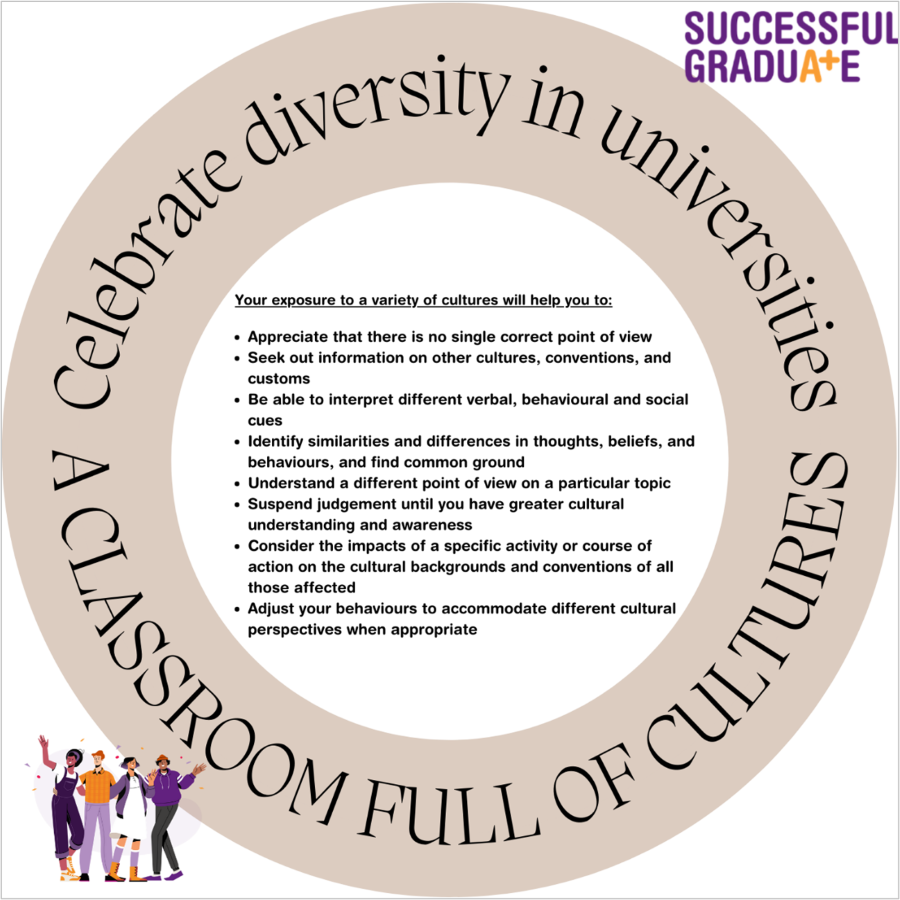
Cultural Competence: Exposure to diverse perspectives, backgrounds, and cultures fosters cultural competence among students. This ability to navigate and collaborate effectively in diverse environments is highly valued by employers operating in global markets.
Innovation and Creativity: Diverse student populations bring a wide range of experiences and ideas to the table, sparking innovation and creativity. Employers seek out individuals who can think critically, solve complex problems, and offer fresh perspectives – qualities often nurtured in diverse academic environments.
Communication and Collaboration Skills: Interacting with peers from different backgrounds enhances communication and collaboration skills. Students learn to express themselves clearly, negotiate diverse viewpoints, and work effectively in teams, which are essential competencies in today’s workplace.
Adaptability and Resilience: Exposure to diversity cultivates adaptability and resilience in students. They learn to navigate unfamiliar situations, embrace change, and thrive in dynamic environments – qualities highly sought after by employers in rapidly evolving industries.
Global Perspective: As evidenced by the QS Employer Survey, employers value candidates with a global perspective. Students from diverse backgrounds bring insights into international markets, cultural nuances, and global trends, making them valuable assets for companies with global operations or aspirations.
Problem-solving Abilities: Diverse student cohorts encounter a variety of challenges, providing opportunities to develop robust problem-solving skills. Employers value individuals who can approach problems from multiple angles, draw upon diverse resources, and devise innovative solutions.
Enhanced Networking Opportunities: Interacting with students from diverse backgrounds expands students’ professional networks. These connections can provide access to a broader range of opportunities, mentorship, and support systems, ultimately enhancing employability prospects.
Overall, student diversity enriches the learning experience, equipping graduates with the multifaceted skills and perspectives needed to thrive in today’s diverse and dynamic workforce.
By combining a diverse cohort with ample opportunities to develop work experience skills, internship skills and a variety of workplace perspectives, international students can achieve outstanding employability capacity with an enviable international lens. International students should be able to develop optimum employment potential. After all, they are paying a lot of money for their education. Are we doing everything we can as an industry to support them?